From The Godfather to Goodfellas, mob movies have defined how audiences understand organised crime. But how much of that image is rooted in reality? HistoFlick spoke to The Mob Museum’s Zach Jensen about Mafia myths, cinematic glamour and the films that came closest to the truth.
Most people will only ever encounter organised crime through the movies.
Whether it is Marlon Brando’s Don Vito Corleone making an unrefusable offer, Robert De Niro’s Ace Rothstein surveying the Las Vegas Strip, or Ray Liotta’s Henry Hill declaring, “as far back as I can remember, I always wanted to be a gangster”, the mafia and the mob are deeply ingrained in cinema. As a result, it is cinema that has come to define people’s understanding of the gangster, and the history of organised crime has become inseparable from the stories that Hollywood has chosen to tell about it.
“Movies are a common starting point,” Zach Jensen of The Mob Museum in Las Vegas says. “Most people aren’t intimately familiar with the history of organised crime, movies have been their exposure to it.
“If you’re a run of the mill American, it’s just really fascinating to learn about. It’s just an alien world, it’s a fascinating, different kind of culture.”
With movies being the main entry point into the world of organised crime, the myths proliferated in them often become recurring misconceptions.
For decades, films such as The Godfather (1972) presented organised crime as a world governed by honour, ritual and tradition. Audiences were introduced to powerful patriarchs, sprawling family dynamics, and carefully calculated acts of violence. According to Jensen, that image remains deeply embedded within popular culture.
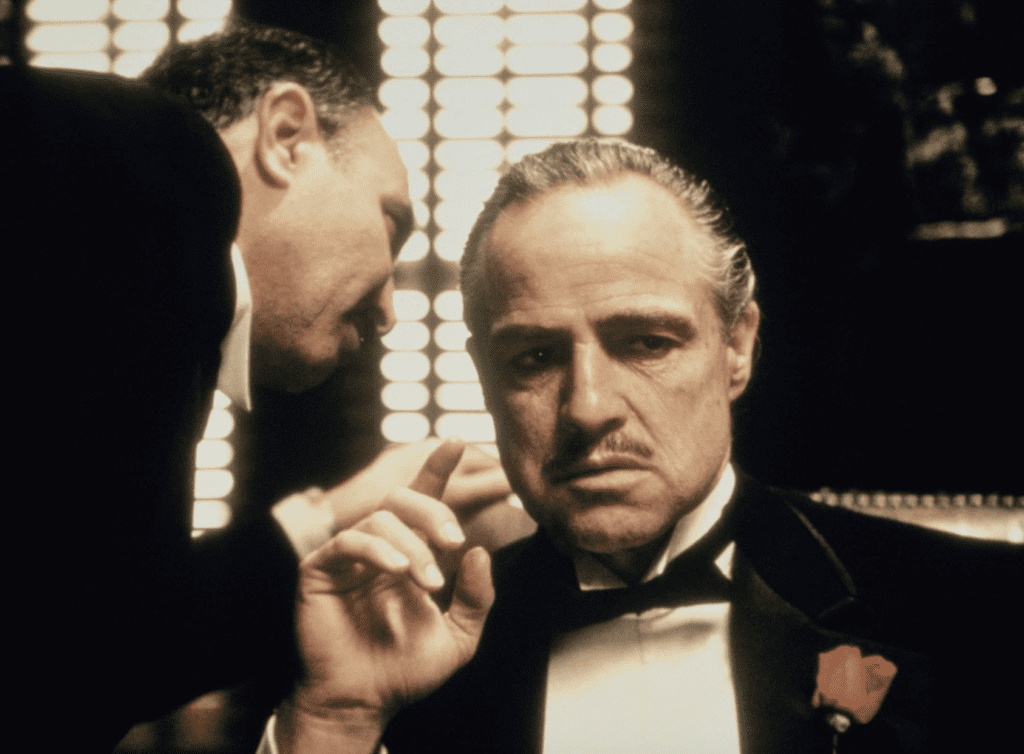
“You get this image of the mob as this affluent, shadow organisation,” he explains. “It has formal rituals. They’re very strategic, and everything they do is governed by tradition and honour. If somebody gets killed, it’s because they betrayed the family or the organisation or because there was some sort of strategic value to it.”
The reality, however, was often far messier. Whilst loyalty and hierarchy were undoubtedly important in organised crime, they were ultimately driven by profit. Violence could be impulsive, personal and unpredictable rather than the carefully choreographed murders depicted on screen.
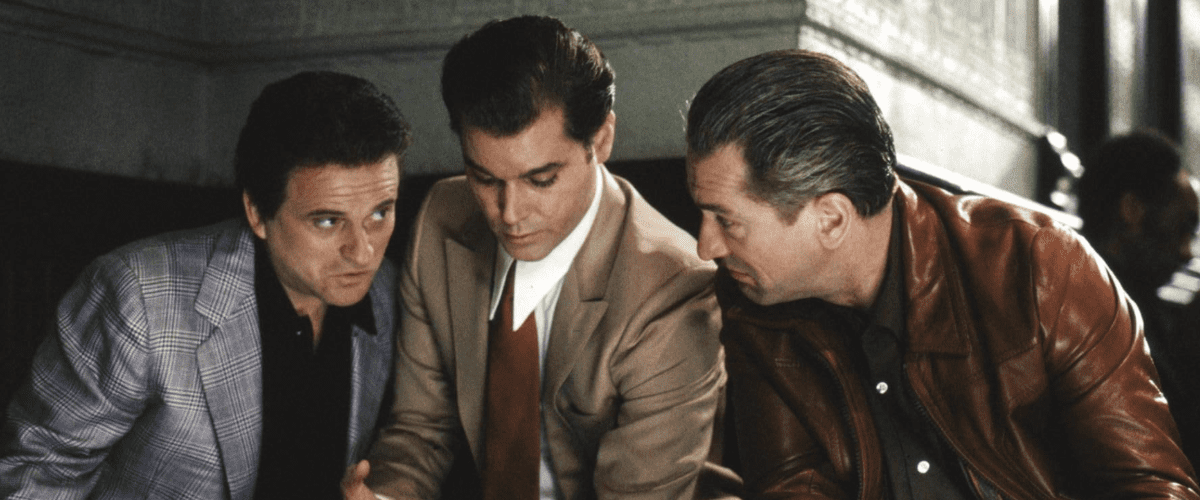
That all changed with the release of Martin Scorsese’s Goodfellas in 1990. Based on the life of mob associate Henry Hill, the film abandoned many of the romanticised conventions of nobility that had dominated earlier gangster films. Instead, audiences were presented with a world of paranoia, drug dealing, reckless violence and constant instability.
“Goodfellas comes around and blows all [the misconceptions] away, says Jensen. “It’s one of the first mob movies that began to de-romanticise organised crime.
“In Goodfellas, it’s not revenge taken for somebody who’s betrayed you. At the beginning of the movie, we see Billy Batts, being buried, and later in the movie, we see it’s just because he was teasing Tommy (Joe Pesci).
“He insulted him, and so Tommy turns around and kills him, and it’s that chaos that we start to see in the actual mob in the 70s and 80s.”
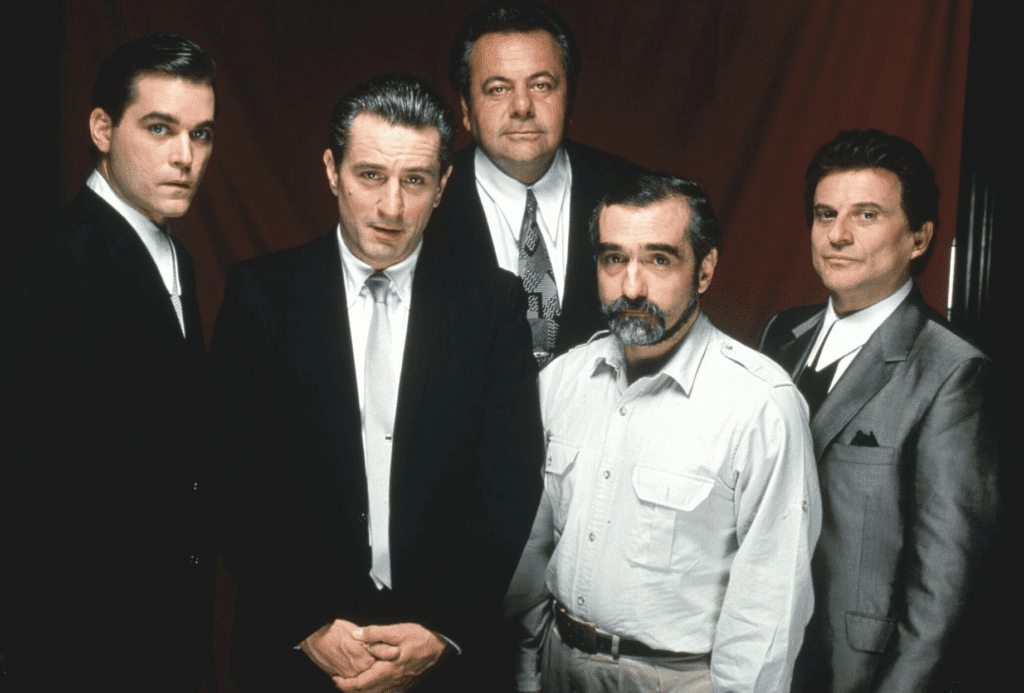
That does not mean that Goodfellas is perfectly accurate. Based on the book Wiseguy (1985) by Nicholas Pileggi, the film’s lens is naturally thwarted by the fact that one of Pileggi’s key sources was Henry Hill himself.
“Hill is known to embellish his stories and his own importance in the mob, and so you see there are contradictions and inconsistencies in the story,” says Jensen.
“We see Paul Cicero as this calm, collected boss that Henry Hill looks up to, and that’s not quite real life, and it’s also worth noting that Hill was not the charming and good-looking man that Ray Liotta was.”
The real Paul Cicero (Paul Sorvino), Lucchese crime family capo Paul Vario, was famed for his violent temper, and the violence of Goodfellas is one of the key areas where Jensen believes the film deviates from the historical record.
“A lot of the violence was toned out. Goodfellas is a very violent movie; there are a lot of gruesome scenes throughout the movie. There’s definitely violence committed by Henry Hill in the movie, but it doesn’t quite get everything.
“There are also other robberies that he was involved with, far more than the Lufthansa heist at JFK airport in 1978. In the movie, it shows him being very involved in the execution and carrying out the robbery, but the reality is that Henry Hill told Jimmy Burke about it, Jimmy Conway (Robert De Niro), in the movie, and from that point on, Hill took a back seat.
“So the movie gives Henry Hill a much larger role, but at the same time, it does accurately portray the chaos.”
That is central to how Jensen and The Mob Museum assess historical accuracy. The question is not whether every event happened exactly as shown on screen. It is whether a film captures the culture, motivations and emotional reality of organised crime.
“I think of a film that gets the emotional story right, that gets the culture right,” he explains. “Maybe every event didn’t happen exactly as shown, but the audience comes away with an understanding of how that world actually worked.”
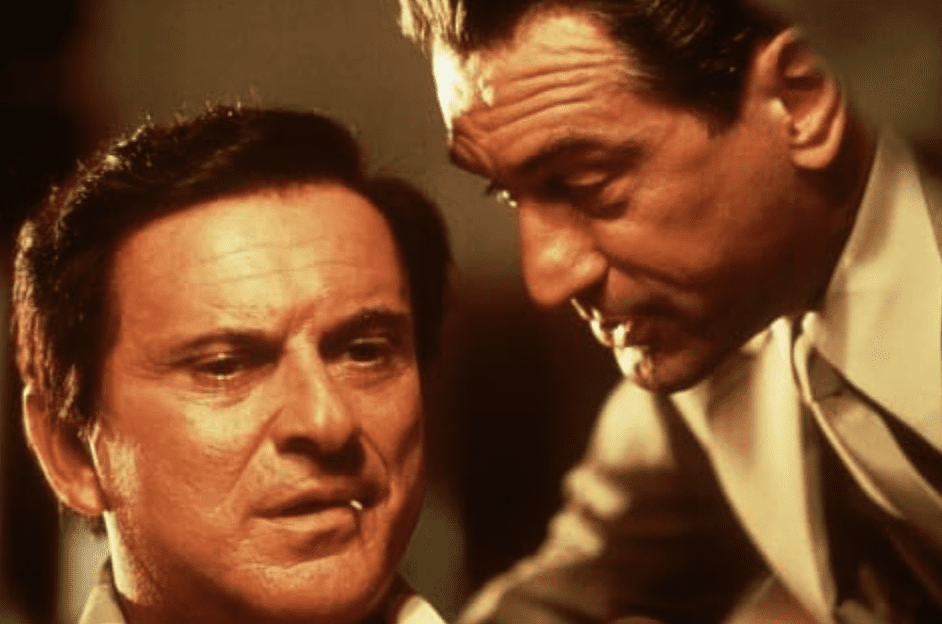
Yet even films that challenge the conventional Mafia mythology inevitably fall into some of the same traps. Despite praising films such as Goodfellas, Casino (1995), and Donnie Brasco (1997) for capturing the realities of organised crime, Jensen points out that there are limitations.
“Every mob movie is 100% glamorised,” he says. “Sometimes as a viewer, you might take away the glamour part and not so much see the violent part.
“That’s something that Scorsese does well in both Goodfellas and Casino, by not shying away from the chaos and violence of organised crime.
“Scorsese helps chip away at this glamourisation, but you also have to understand that that lifestyle is part of what got a lot of these guys into organised crime.”
That is why films such as Goodfellas, Casino and Donnie Brasco continue to stand out. While each takes liberties with the historical record, they offer audiences a far more authentic understanding of organised crime than many of Hollywood’s more romanticised portrayals.
The challenge, however, is that cinema has become the primary lens through which people understand the mob. As a result, films cannot simply depict organised crime, they shape how it is remembered.