Organised crime has inspired some of cinema’s most iconic stories. From the Corleone family in The Godfather (1974) to the hedonistic Henry Hill in Goodfellas (1990), generations of filmmakers have sought to capture the world of the Mafia on screen. But how much of what audiences see is actually true?
To find out, HistoFlick spoke with Zach Jensen, content development manager at The Mob Museum in Las Vegas, whose work explores the history of organised crime and the myths that have grown up around it.
Whilst every film takes dramatic liberties, Jensen argues that the best mob movies are not necessarily those that get every detail correct, but those that effectively capture the culture, motivations and realities of organised crime.
With that in mind, here are the mob films that The Mob Museum considers among the most accurate, and the ones that miss the mark.
ACCURATE – GOODFELLAS (1990)
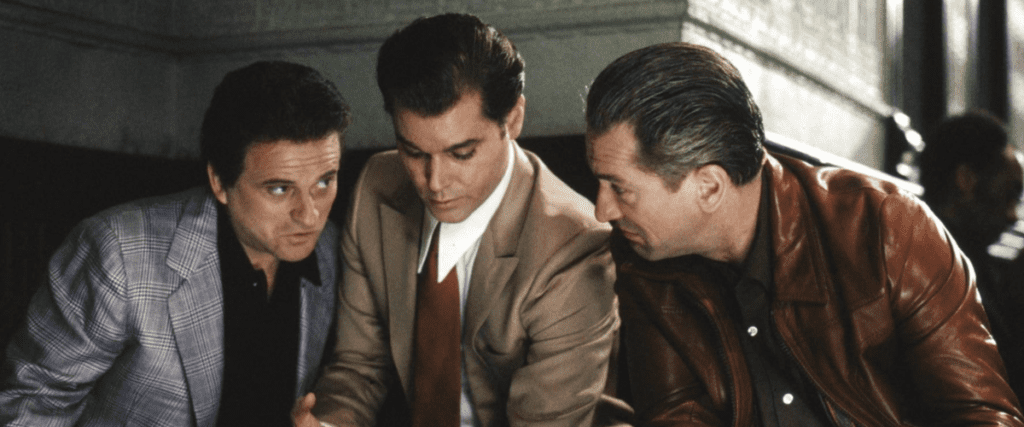
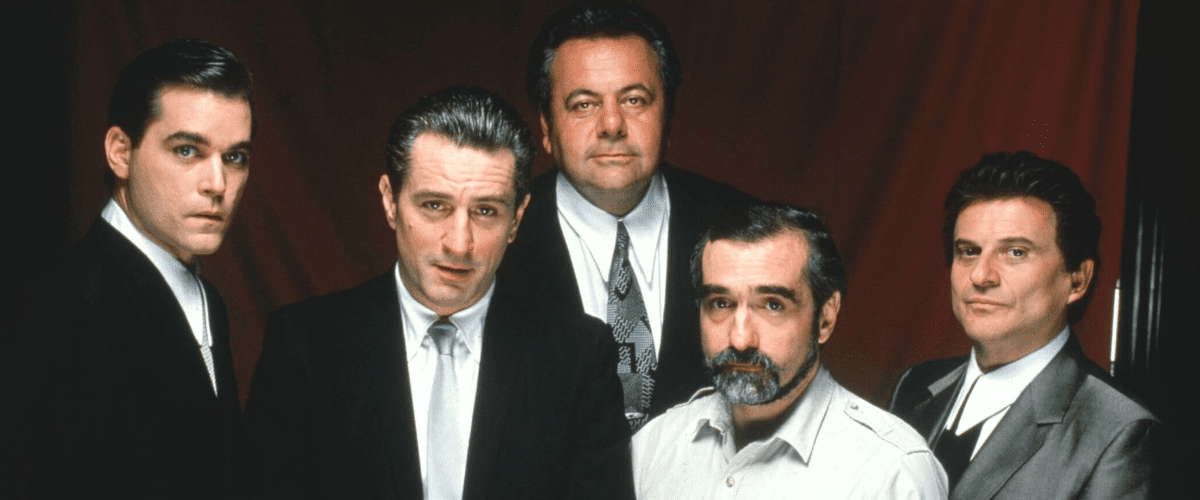
Based on the true story of mob associate Henry Hill (Ray Liotta), Martin Scorsese’s Goodfellas remains the gold standard of organised crime cinema. The film follows a young Brooklyn teenager who becomes increasingly immersed in the world of organised crime.
Over three decades, Hill rises through the ranks alongside Jimmy Conway (Robert De Niro) and Tommy DeVito (Joe Pesci), enjoying the wealth, status and glamour of mob life before paranoia, violence and betrayal begin to consume everything around him.
For The Mob Museum, it is one of the most accurate depictions of organised crime ever put to screen.
“It captures the feel of organised crime remarkably during that time.”
Unlike many earlier Mafia films, Goodfellas focuses on the everyday realities of organised crime rather than presenting the mob as a noble institution governed by honour and tradition. Loan sharking, robberies, intimidation, drug dealing and violence all become part of daily life.
While the film undoubtedly dramatises events and is filtered through Henry Hill’s unreliable perspective, Jensen believes it succeeds where many mob movies fail.
“Goodfellas comes around and blows it all away. It’s one of the first mob movies that began to de-romanticise organised crime.”
INACCURATE – THE UNTOUCHABLES (1987)
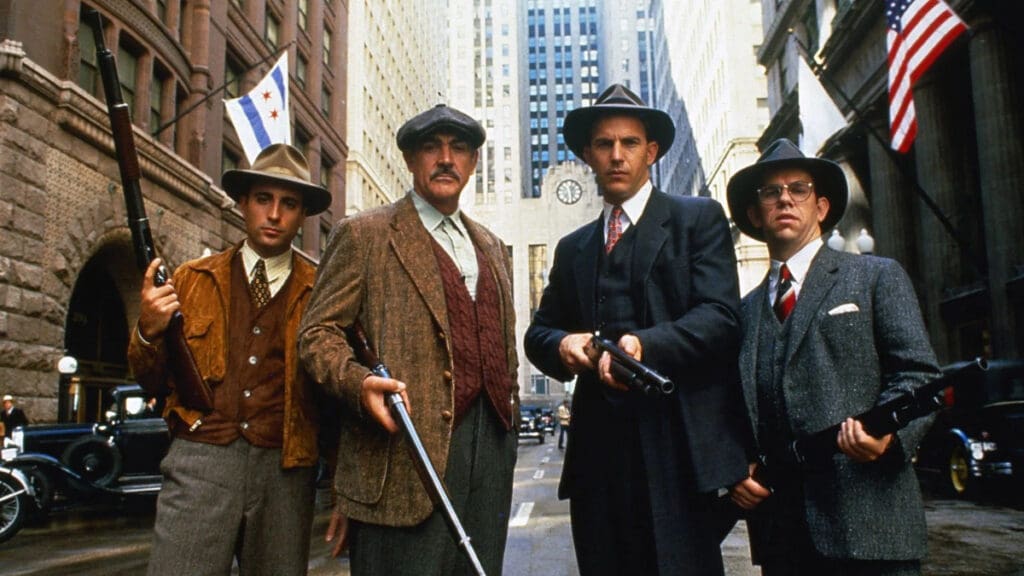
Set during Prohibition-era Chicago, The Untouchables follows US Treasury agent Eliot Ness (Kevin Costner) as he assembles a small team dedicated to bringing down notorious gangster Al Capone (Robert De Niro). Directed by Brian De Palma, the film also features an Oscar-winning performance by Sean Connery as fictional policeman Jim Malone, and it remains one of the most celebrated crime films of the 1980s.
Historically, however, it takes considerable liberties.
“It’s an entertaining movie. It’s a good movie, but it’s not historically accurate,” says Zach Jensen.
Based on Ness’ own unreliable memoirs, the film embellishes Ness’ role and transforms Capone’s downfall into an action-packed battle between good and evil, with dramatic shootouts and rooftop confrontations. In reality, Capone’s conviction was the result of painstaking investigations and financial scrutiny, and lacked the cinematic gunfights.
While a brilliant piece of entertainment, it prioritises mythology over historical reality.
ACCURATE – CASINO (1995)
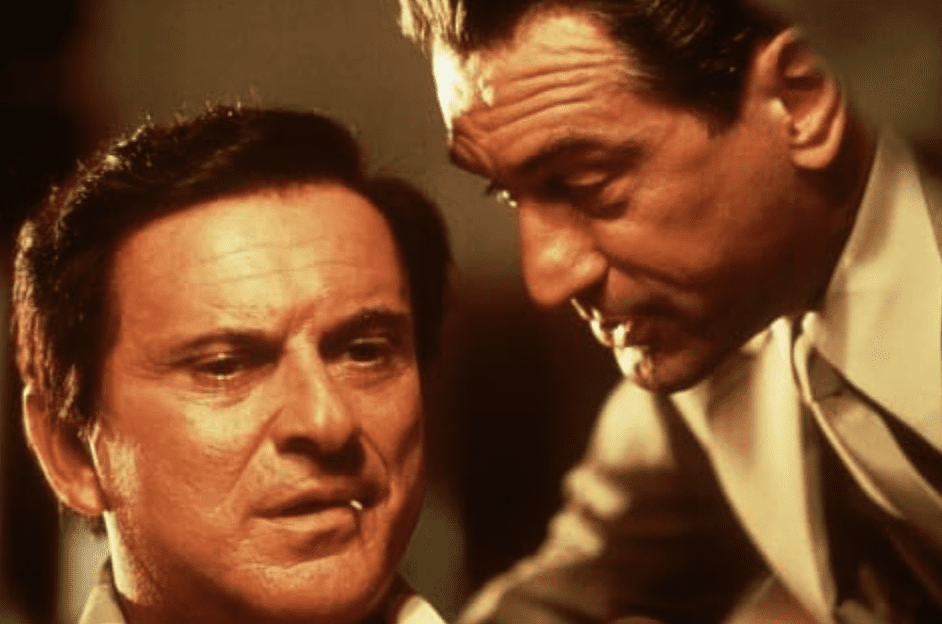
Martin Scorsese’s Casino tells the story of Sam “Ace Rothstein (Robert De Niro), a gambling expert sent by the Chicago Outfit to oversee operations in Las Vegas. As Ace builds a casino empire, his relationships with volatile enforcer Nicky Santoro (Joe Pesci) and his wife Ginger (Sharon Stone) gradually spiral into jealousy, corruption and violence.
Like Goodfellas, the film was based on the work of journalist Nicholas Pileggi, a fact that Jensen believes contributes significantly to its historical credibility.
“Pileggi is an excellent researcher, a good storyteller and a good historian. Those two movies are based on what he did, and so we see good, relatively historically accurate portrayals of the mob in those movies.”
Beneath the glamour of Las Vegas lies a detailed portrayal of how organised crime infiltrated legitimate businesses and generated enormous profits through intimidation, skimming operations and corruption.
While individual characters and events are dramatised, Casino succeeds in capturing the culture, motivations and internal dynamics that drive organised crime during the period.
INACCURATE – GANGS OF NEW YORK (2002)
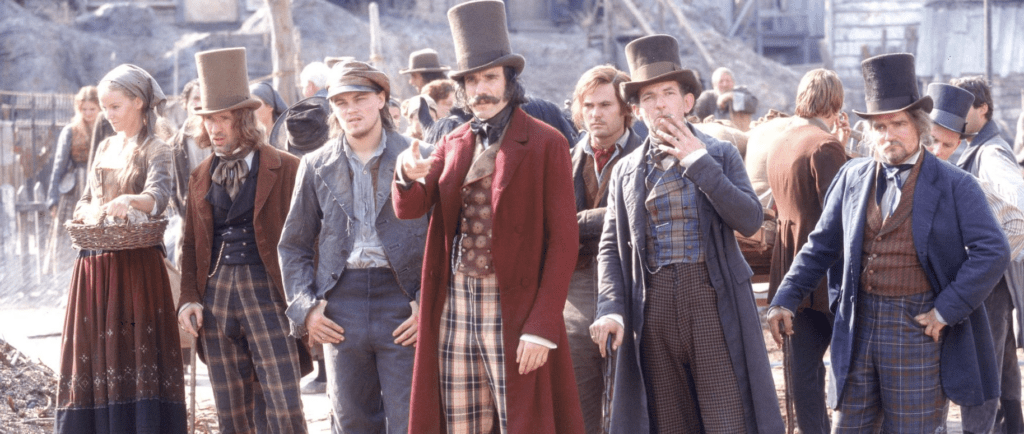
Set in the violent streets of nineteenth-century Manhattan, Martin Scorsese’s Gangs of New York follows Amsterdam Vallon as he seeks revenge against Bill “The Butcher” Cutting, the gang leader responsible for his father’s death years earlier. Against a backdrop of political corruption, immigration and social unrest, the film presents a brutal vision of New York before the modern city emerged.
Although inspired by real historical tensions, Jensen argues that it should not be viewed as an accurate portrayal of organised crime.
“It’s not quite historically accurate about those early days of organised crime in New York.”
The film mixes genuine historical figures and events with heavily fictionalised conflicts, creating a dramatic version of history rather than a faithful recreation. While it effectively captures the atmosphere of a divided and violent city, its depiction of organised criminal activity is often exaggerated for dramatic effect.
As a result, Gangs of New York works best as historical drama rather than historical documentation.
ACCURATE – DONNIE BRASCO (1997)
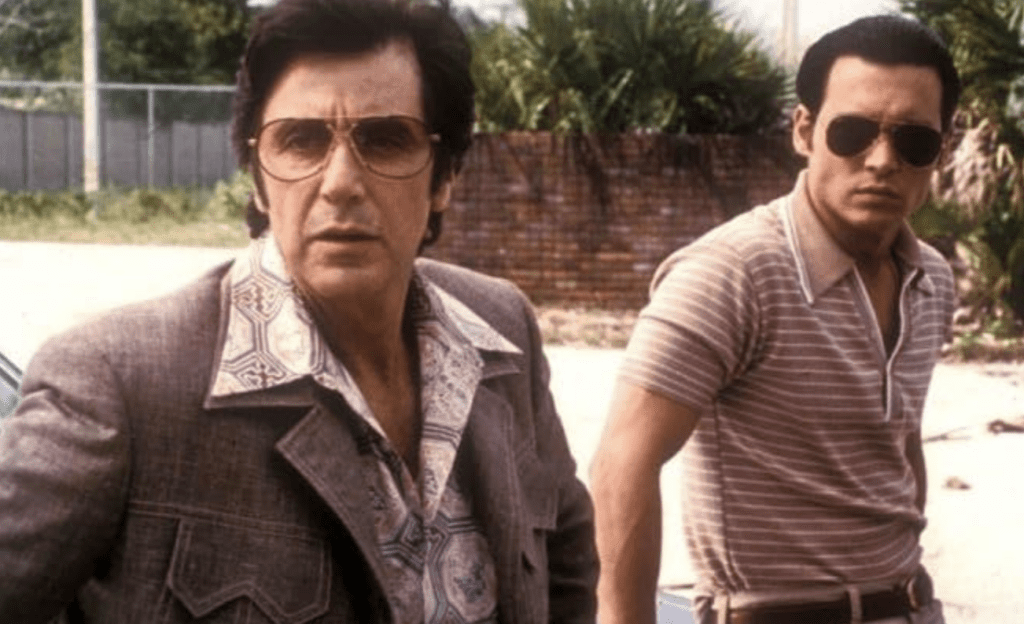
Based on the real-life experiences of undercover FBI agent Joseph Pistone, Donnie Brasco follows Pistone (Johnny Depp) as he infiltrates New York’s Bonanno crime family under a false identity. As his operation deepens, he develops a close friendship with ageing mobster Lefty Ruggiero (Al Pacino), creating a dangerous conflict between professional duty and personal loyalty.
For Jensen, the film stands out because of its focus on the ordinary realities of organised crime.
“Donnie Brasco captures it well.”
“Unlike many gangster films, Donnie Brasco is less focused on acts of violence, and spends more time exploring the routines, relationships and hierarchies that defined mob life. Its criminals are not larger than life legends but working members of a criminal organisation struggling to survive.
That emphasis on culture and lived experience makes it one of the most convincing depictions of organised crime ever produced.
INACCURATE – THE GODFATHER (1972)
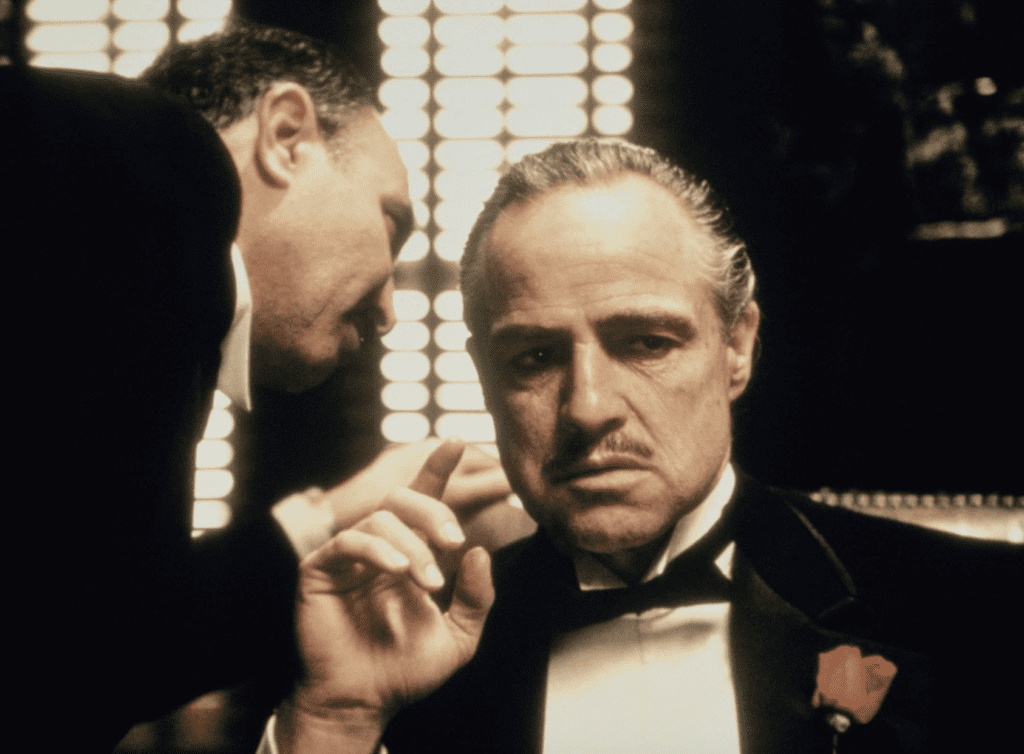
Widely regarded as oen of the greatest films ever made, The Godfather follows the Corleone crime family as ageing patriarch Vito Corleone (Marlon Brando) attempts to maintain control of his criminal empire while his son Michael (Al Pacino) is gradually drawn into the family business. The film transformed the gangster genre and remains hugely influential more than fifty years after its release.
Yet for Jensen, that influence has also helped create some of the public’s biggest misconceptions about organised crime.
“You get this image of the mob as this affluent shadow organisation. It has formal rituals. They’re very strategic and everything they do is governed by tradition and honour.”
Throughout the film, violence is often presented as calculated and connected to questions of loyalty, betrayal and family honour. While such elements certainly existed, Jensen argues that the reality was often far more chaotic and financially motivated.
The Godfather may be the definitive Mafia film, but it is also one of the films most responsible for romanticising organised crime in the public imagination.
ACCURATE (BONUS TV SERIES) – THE SOPRANOS (1999-2007)
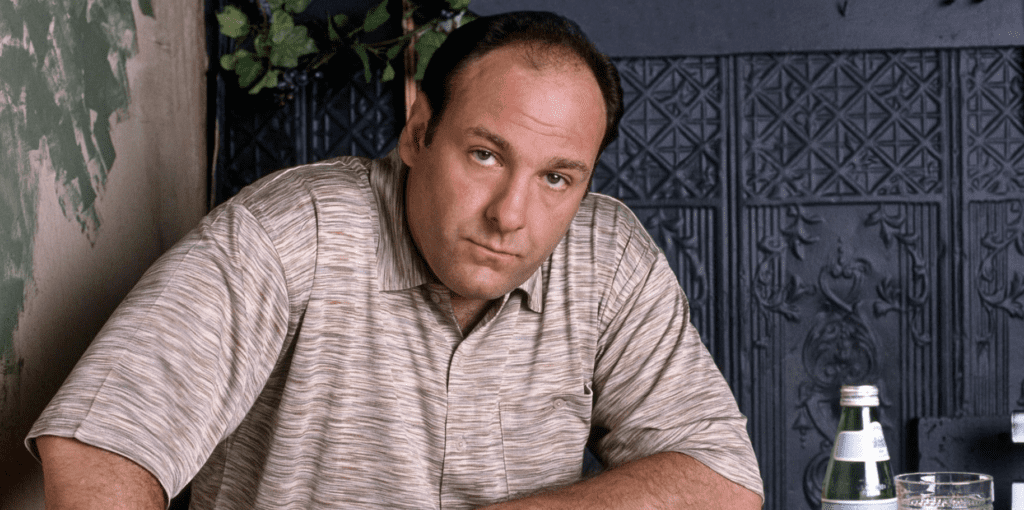
Whilst not a film, David Chase’s landmark television series can certainly be classified as cinematic television, and is frankly too good not to deserve a place on this list.
It follows New Jersey mob boss Tony Soprano as he attempts to balance organised crime, family life and his own deteriorating mental health. Across six seasons, the series explores everything from extortion and murder to panic attacks, marriage counselling and suburban parenting.
For Jensen, The Sopranos succeeds because it captures something many mob stories overlook: the emotional reality of organised crime.
“The Sopranos television series is the best at capturing that emotional side of mob life”
Rather than portraying gangsters as glamorous icons, the series presents them as deeply flawed individuals dealing with anxiety, insecurity, family pressures and personal failures. Criminal activity becomes only one part of a much broader portrait of their lives.
That attention to culture and character helps explain why many historians, former law-enforcement officials and organised crime experts continue to regard The Sopranos as one of the most authentic depictions of mob life ever created.