
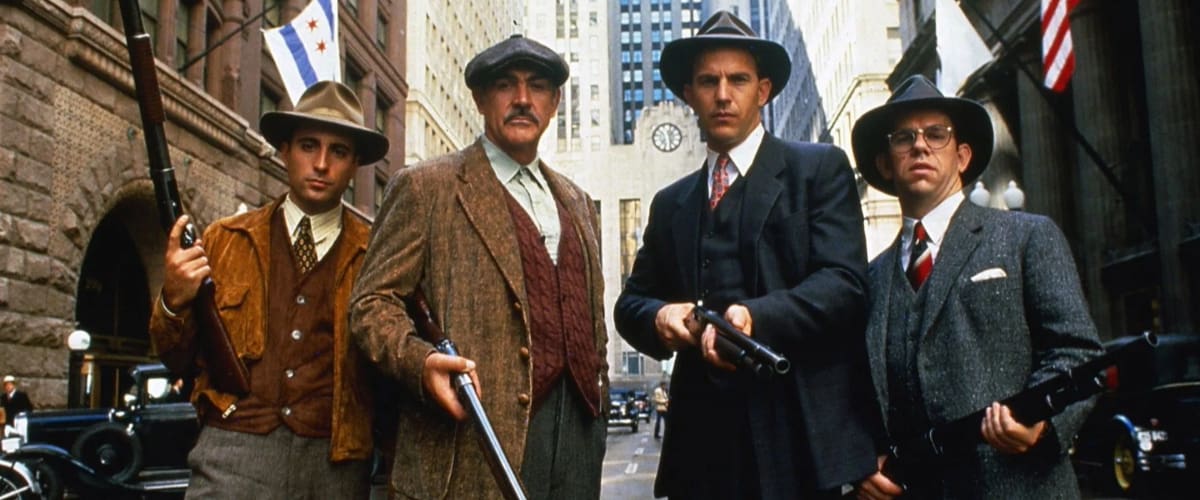
In Brian De Palma’s 1987 classic The Untouchables, Eliot Ness is framed as the righteous savior who rescued Chicago from the clutches of Al Capone. But historical reality reveals a very different story, a cash-strapped former agent who manufactured a myth to rewrite his own legacy.
History tells us that gangsters will always take advantage.
Between 1920 and 1933 Prohibition hit the United States, a constitutional ban which banned alcohol production, distribution and the sale of alcohol across the country. The doctrine, composed mainly by Protestants, aimed to heal what they saw as a society beset by alcohol-related problems such as alcoholism, domestic violence, and saloon-based political corruption.
As any gangster does, Al Capone took his chance and centred his trade on bootlegging liquor in Chicago.
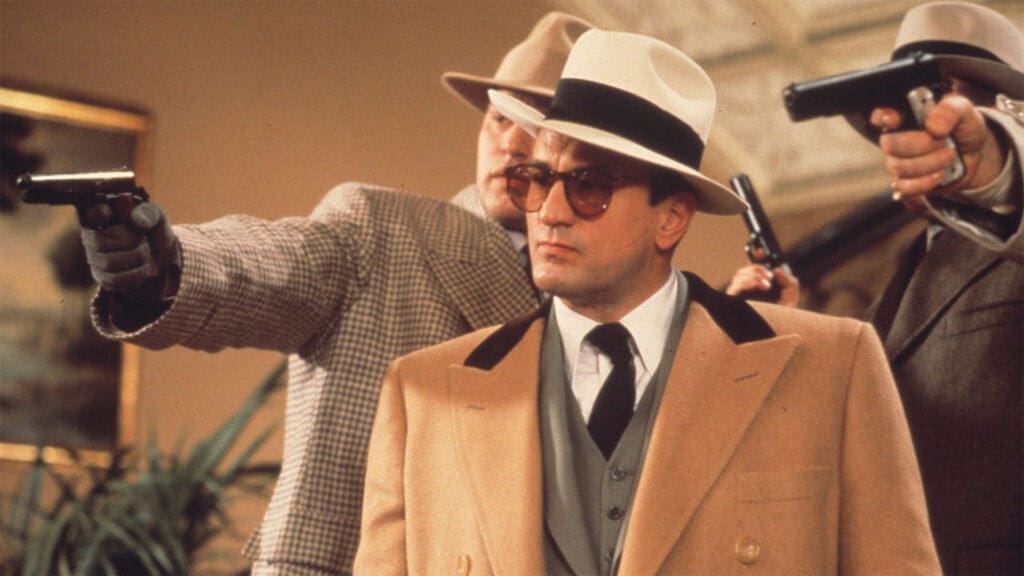
“He was just providing people the light pleasures, which would be what I called Trinity of Ice, which was gambling, booze, and prostitution, but he was trying to put a happier face on it,” says Laurence Bergreen, author of ‘Capone: The Man and The Era’.
But as depicted in Brian de Palma’s 1987 Oscar-winning film, Capone is faced against Bureau of Prohibition agent Eliot Ness attempting to halt his activities, gathering a team of dry agents to take his bootlegging liquor operation down.
Ness’s first attempt to silence the gangster at a liquor raid seems promising, until he is sabotaged by corrupt police officers who tipped off Capone’s ‘Chicago Outfit’. It was a symptom of a deeply rotten system; Chicago’s mayor at the time, Big Bill Thompson, is cited by Bergreen as “corrupt as they come”. The veteran gangster clearly held the law in the palm of his hand, although this absolute control came at a steep societal cost.
“Crime and especially murder is immensely revealing about the kind of hidden underbelly of social relations,” says Dr. Jeffrey Adler, author of First in Violence, Deepest in Dirt: Homicide in Chicago, 1875–1920.
“The infrastructure of Chicago, the police, the courts, were unbelievably feckless, unbelievably ineffective and even for murders, only about one in five killers in Chicago was convicted in the 1920s.”
Besides forming the team of Untouchables, Ness is credited with fixing up the crime of Chicago, but Bergreen doubts these claims. “He was supposed to be, you know, the guy who cleaned up everything, but it was really more myth than reality. Elliot Ness himself was in many ways more a product of mythmaking than reality and not the effective lawmaker that he is portrayed as being.”
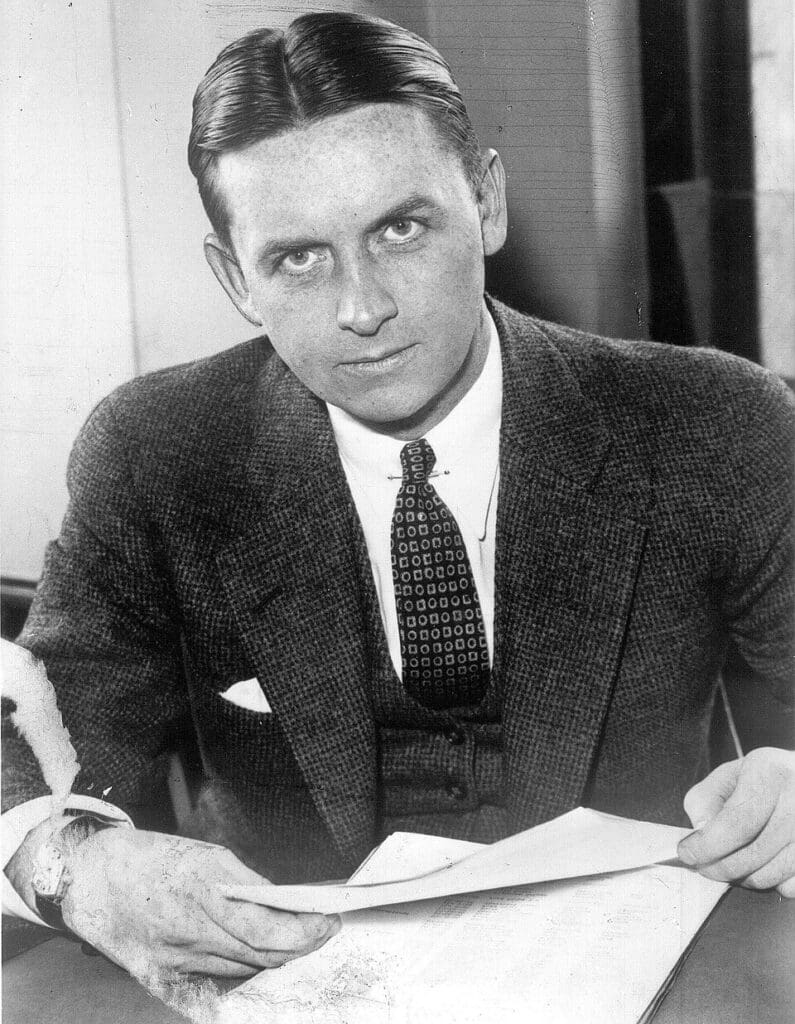
Adler agrees that the heroic narrative led by Eliot Ness in The Untouchables relies on a highly romanticised version of history. While the movie portrays Eliot Ness as the central force behind Al Capone’s downfall, Adler points out that the real-world strategy of the federal squad was far more modest, and his claims to taking down Capone were self-indulgent.
“Eliot Ness and the Untouchables, what they imagined was that they could hit organized crime by making it less profitable, by harassing and arresting gangsters that would reduce the power of organized crime.”
The film’s climax, which frames Ness as the righteous lawman who finally corners Capone in a courtroom, completely distorts how the kingpin was actually defeated. Adler clarifies the historical reality: “Well, Al Capone was brought down on tax evasion charges. They had nothing or very little to do with Eliot Ness.”
“In 1957, Eliot Ness wrote the book The Untouchables, in which he dramatically glorified and exaggerated his role in bringing down Al Capone.”
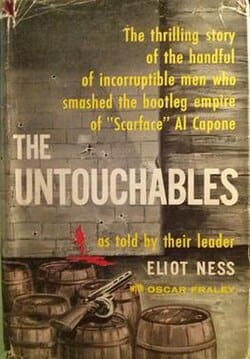
This self-authored memoir fundamentally warped the public’s understanding of 1920s bootlegging. Towards the end of his life, due to financial and professional pressures, he reframed his past to create a lucrative, grand epic.
“Since then, especially organised crime has been associated with Al Capone in the 1920s because it was narrated, at least partially, through a participant, but a participant who was kind of down on his luck by the 1950s and celebrated his own small achievements and exaggerated them.”
Despite Ness’ claim to glory, it’s with no doubt that Capone will be cemented in gangster culture forever. “What made Al Capone special is that it was colourful.” says Adler. “He liked to be in public. He was a little like Donald Trump, he liked his face on things as long as he didn’t get the side with the scar.
“Most Chicagoans didn’t view him as a threat, he had a kind of go screw yourself attitude that Chicagoans embraced.”