You’ve seen actors pick up awards for their performances in films based on true stories, but who are the unsung heroes behind their success? John Nelles discusses his role as a dialect coach and how he works with actors to portray historical figures.
You won’t have heard of him, but his work supports the performances of some of cinema’s finest, Idris Elba, Jude Law and Tatiana Maslany to name a few.
Born in Canada, but growing up in a sleepy town in Midwest America, John Nelles seemed destined to work for his father’s cheese business.
But he chose to go in another direction.
Following his passion for the arts, Nelles was able to sharpen his talents for acting, stage combat and dialects to carve out a career for himself in the film industry.
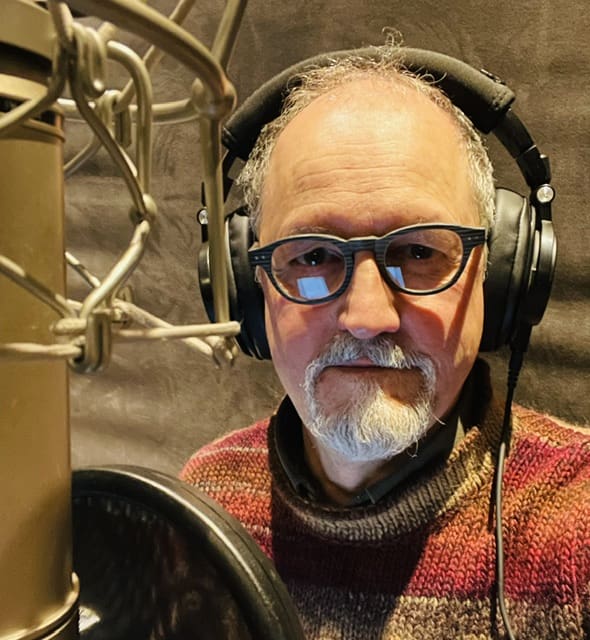
Now, with credits for Irena’s Vow, The Kennedy’s and Priscilla, Nelles’ work as a dialect coach has allowed him to teach actors accents from throughout history and even how to embody iconic figures from the past. The latter he calls idiolect.
What is the difference between dialect and idiolect?
Dialect and accent are generally used interchangeably, but here’s the main way speech-people think of them: a Dialect is the specific grammar, vocabulary, pronunciation of a particular region, or town. Like Manchester has its own words, and grammar etc. for things and though it’s English, it’s particular to that place and outsiders may not understand it.
Accent generally refers to when a person is speaking a second language but has sounds, grammar, or delivery which may carry over from their first language. So, a French speaker who is speaking English will have some sounds or influences from French. French does not use the same pronunciation for a “TH” sound, for “this thing”, they may say in English, “zees-seeng”. US say laboratory as “LAH-bruh-to-ree, ” English say: “lu-BOH-re-tri”.
An idiolect, is the way an individual speaks, pronounces things, and the peculiar things they do/say which makes them recognizable. Like Elvis’ drawl, the pace he used, the resonance of his words, slightly nasal, etc. which when heard you instantly know, “That’s Elvis.” When an actor is playing a specific person who is known, they must figure out the specific things which would make people believe, yes, that’s them. It sounds like; looks like them, moves like them.
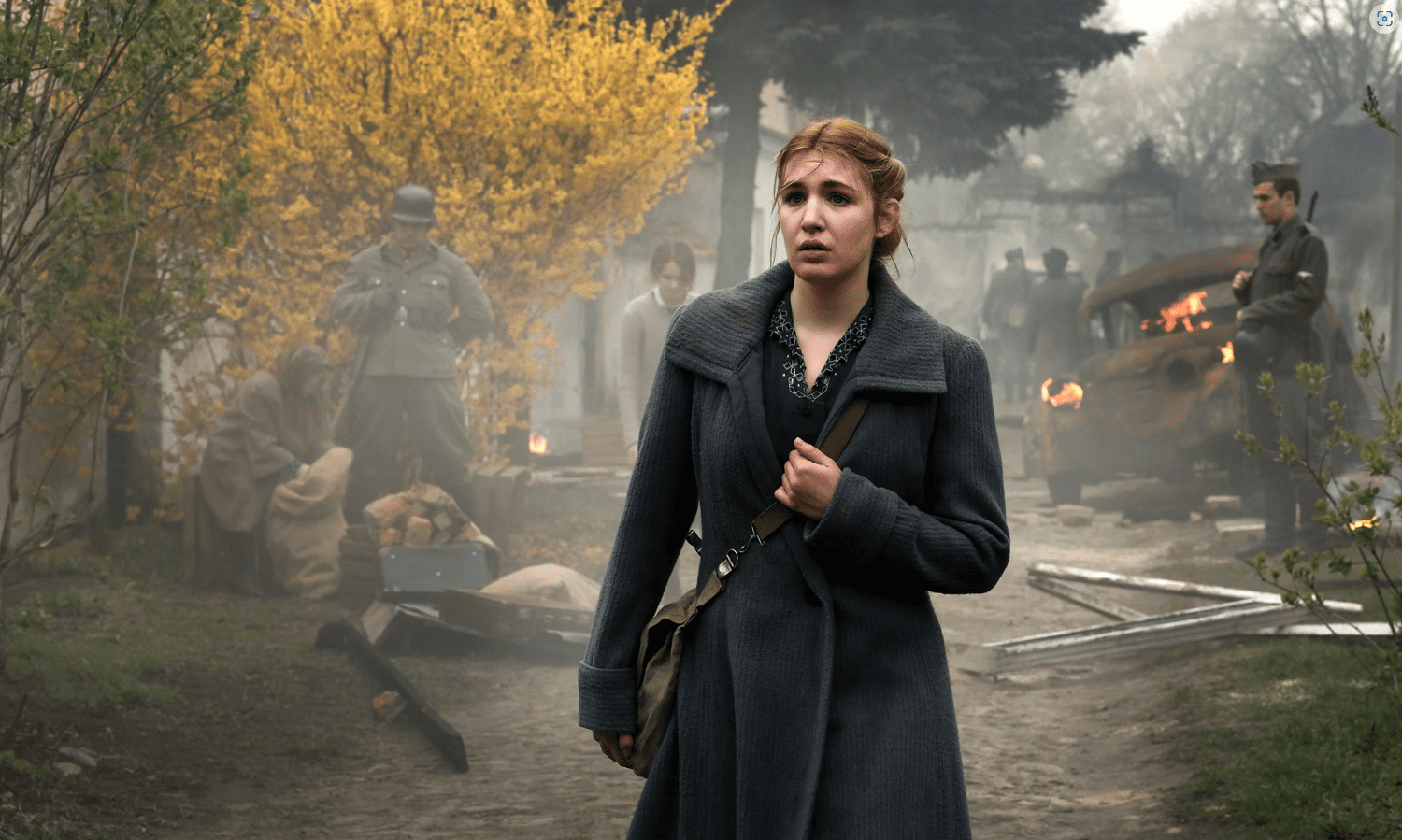
How did you capture the dialect of real-life Polish nurse Irena Gut Opdyke for the film Irena’s Vow?
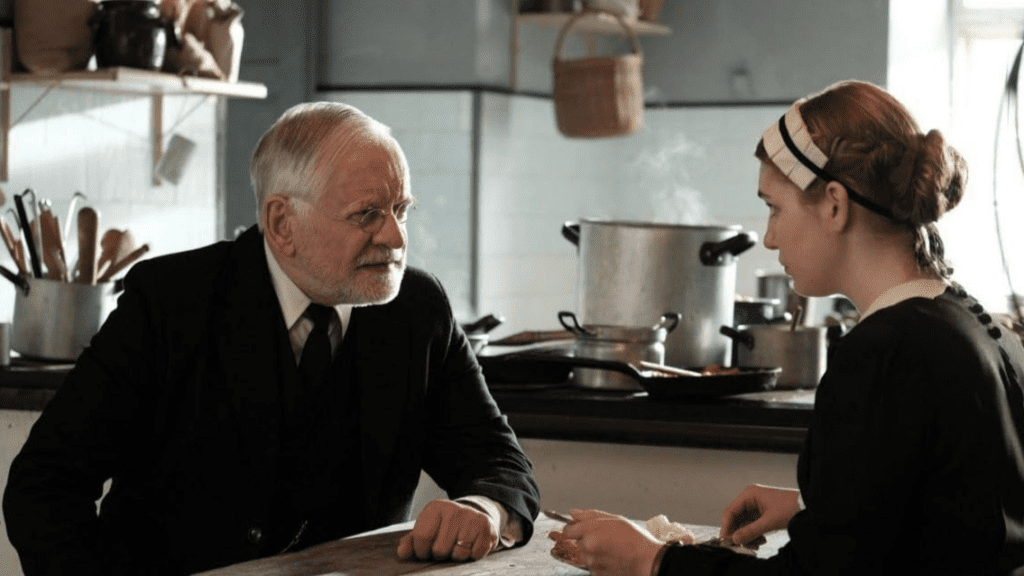
I was brought in to work with Sophie Nélisse who played Irena. The tricky thing was the film was shot in English, but she was playing someone who was speaking in two different languages, her native Polish and German.
So how in English do you differentiate when she was speaking the different languages?
What we did was, she would hesitate to find the right word, she didn’t have as much confidence, and she had a polish accent when she was trying to speak German. When she was speaking with other characters who spoke Polish her speech was confident and flowing with a Polish accent.
How do you base the dialects they’re using?
If I’m basing it from a certain place, I will listen to an interview of a politician, an ambassador or a native speaker who speaks with that particular dialect. Anyone I can find who typifies that language, class, job, or as close to who the actor is portraying. I did a show where one of the characters was a footballer who moved to the US from Liverpool, so I listened to players, his age, from Liverpool teams to see how they spoke around each other, to get their slang, the way they teased each other, etc.
Can you give an example of how this approach applies to idiolect coaching?
When I did Jackie, Ethel, Joan; The Women of Camelot, in 2001, the internet was still quite new, and there wasn’t a Wikipedia or YouTube to just look everything up on, there was very little available on any of the three women. Like [for] Jackie, Jill Hennessy, who played her, and I had to really make some leaps of faith.
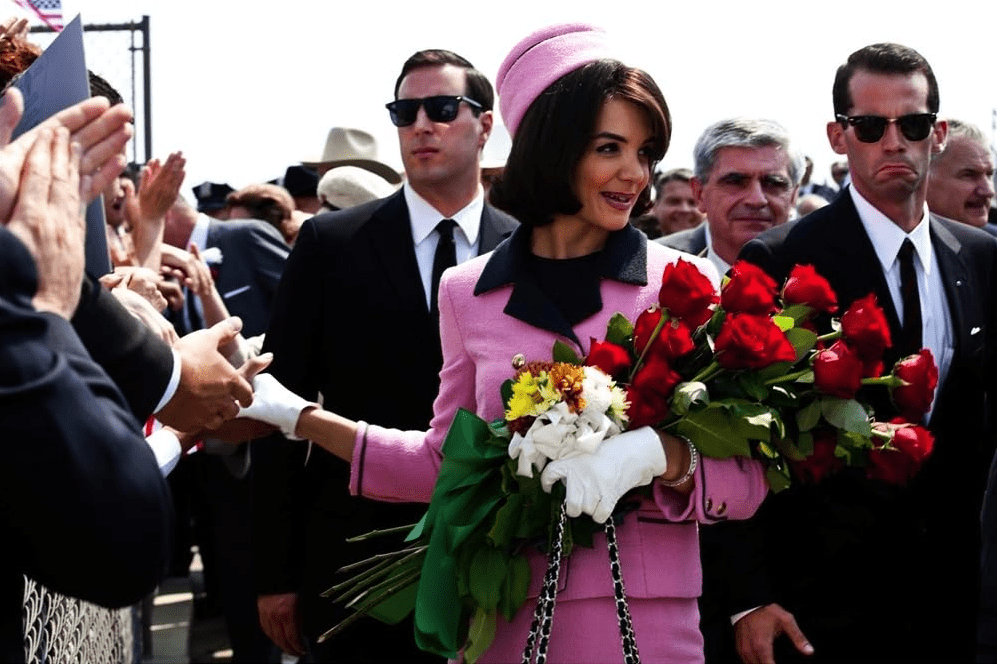
When Katie Holmes played Jackie, in The Kennedys, (2011), we didn’t have much to go on at all, when she played her a second a second time in The Kennedys; After Camelot (2017), we had access to the actual interview tapes Jackie did in 1964 which were released after we were shooting in 2011. Fortunately, we were pretty much on track, but found lots of little things like her laugh, and other ways her speech changed, all of which we could incorporate for even more accuracy.
The internet made a huge difference for researching things. The question there is always on verification in the authenticity of things.
So, when are you confident in an actor’s ability to embody the role of a real person?
The accent needs to be authentic. It needs to sound like it’s from the place it’s from.
It needs to be intelligible. It needs to be such that the audience can understand what they’re saying.
It needs to be consistent. Because we often shoot out of order the dialect needs to be consistent from the beginning of the film to the end. We try to make it, so it doesn’t sound like they just learned it at one point and then had been doing it for a long time [at another].
The most important part is that the dialect or idiolect has to be so comfortable and practiced in them that it does not interfere with the performance they are trying to give. One of the things that is important, for example, is where in the mouth does the sound sit. If that’s not right the other substitutions that we make for the accent don’t make sense, it just doesn’t sound right.
My worst nightmare is when an actor can’t hear the difference.
I’m sure that’s frustrating…
When you have an actor who is trying to make a certain sound for an accent and they don’t get it and you give them the correct version, and they cannot hear the difference and fix it. That’s when it’s really crazy because there isn’t a lot you can do. Sometimes you can get them there and sometimes you can’t.
When you join a production, what is your role on set?
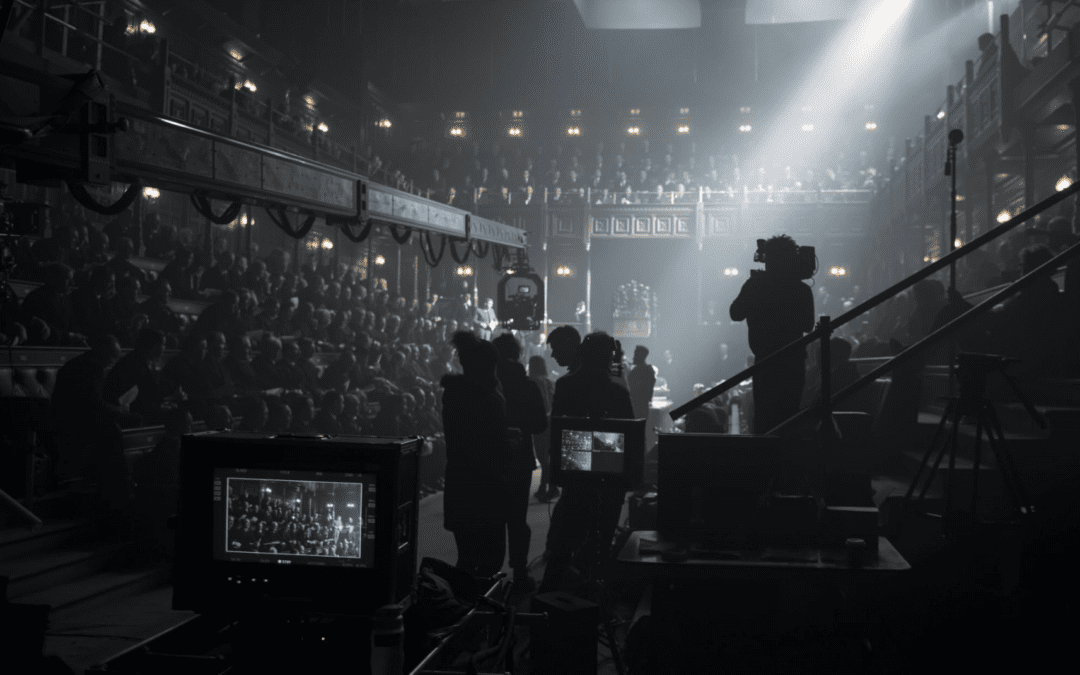
I like to be able to be on set because if there’s a mistake on set then we can correct it right there.
David Cronenberg wanted me to sit right next to him, he’d get a take that he really liked, he checked with many people and asked me sometimes “are you happy?”, when everyone was happy, we would move on.
Very often the actor will look at me and say, “was everything good?”
Is it a proud moment when an actor you’ve worked with wins an award?
Two actors I coached who played JFK, and RFK, Greg Kinnear, and Barry Pepper, respectively; both were nominated for an Emmy, which Barry won. Greg was also a nominee for an Actor Award for it, and Barry also won a Canadian Gemini award for the role, as well as some of the other actors in the series.
We did five seasons of Orphan Black. This wonderful dear friend named Tatiana Maslany got cast, she won Emmys for that part. She was amazing.
That was a dialect coach’s dream, and she was the dream person to work with.
Does building that kind of relationship with an actor make your job easier?
It does make it easier when I have a good relationship with an actor. When we understand how each other works, when we’ve found the way that the actor learns best so that they can learn it faster and more solidly and authentically get it, that’s what makes it easier.
Is there ever a pull towards centre-stage or are you satisfied with your work behind-the-scenes?
I set out to be an actor, but I also had skills which allowed me to develop other parts of my career, such as being a dialect coach. I didn’t originally expect I would do that, but the opportunity presented itself and I was able to successfully go into that field.
I’ve had a number of producers and directors who have used me over and over and actors who ask to work with me again. That’s the recognition that is really great to have.