When the film Calendar Girls hit theatres in 2003, it charmed audiences worldwide with the story of a group of working-class Yorkshire women who bared it all for charity. Led by Helen Mirren’s fiercely energetic character, Chris Harper, the film portrayed the photoshoot as a frantic, nerve-wracking, yet hilarious scramble involving strategic iced buns and massive balls of yarn.
But how much of that Hollywood spectacle actually happened?
To separate fact from cinematic fiction, I spoke directly with Tricia Stewart, the real-life inspiration behind Mirren’s character and the woman who first suggested the nude calendar to the Rylstone Women’s Institute (WI) to raise money for leukaemia research.
Here is the true story of what happened behind the lens in September 1998, why the film is “50% fiction,” and how you can successfully recreate the iconic shoot yourself.
Myth 1: The “Frantic Scramble” for Cover
In the movie, the photo sessions are played for big, chaotic laughs. Actresses fumble with props, trying desperately to block their body parts at the last second.
According to Tricia, the reality was the exact opposite: a masterclass in meticulous, artistic planning.
The man behind the camera wasn’t just a local photographer; he was Terry Logan, a celebrated local artist (whose wife, Lynda, was actually Miss July). Logan didn’t leave anything to chance. There was no frantic grabbing of teapots or baking trays.
“He planned the poses and the props we used,” Tricia recalls. “There was no frantic grabbing! He made the calendar a work of art.”
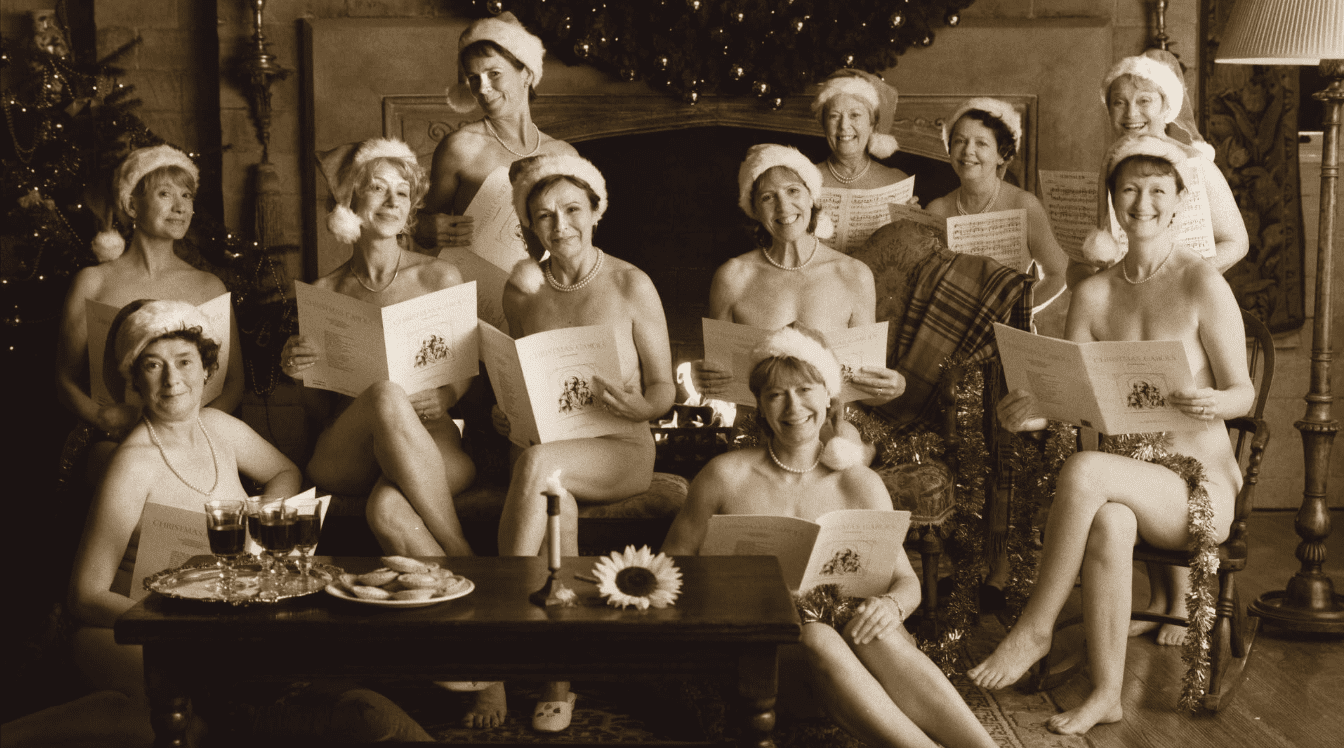
The goal wasn’t to be titillating or cheeky in the way Hollywood portrayed it. The women aimed for something classical—shot in elegant sepia tones, completely nude rather than partially clothed, ensuring it felt like fine art rather than a pin-up deck.
Myth 2: Liquid Courage and Shivering in the Dales
The film depicts the women shooting in various locations, battling nerves and the elements. Audiences might imagine a cold Yorkshire room and a few brave gulps of gin to get through it.
The actual environment was far more intimate, cosy, and sober. The entire calendar—save for one shot in a backyard potting shed—was shot inside Terry Logan’s own home in September 1998.
“It was warm with the Aga on,” Tricia says. “No music, and we had a glass of wine after the shoot was finished.”
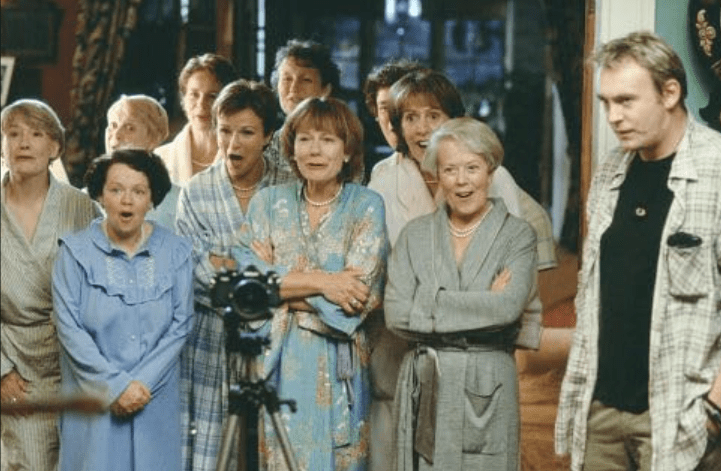
As for the jitters? The women had been joking about the concept for two solid years before actually doing it. When it came time to drop the dressing gowns, Miss May (Beryl Bamforth) volunteered to go first just in case she lost her nerve. Once the first barrier was broken, the room filled with support and laughter.
The ground rules were clear and strictly enforced by the group: “We knew there would be the occasional nipple discreetly on show,” Tricia notes, “but definitely ‘no front bottoms!'”
Myth 3: Hollywood Drama and Fractured Friendships
The emotional climax of the 2003 film centres on Hollywood fame going to Chris’s (Tricia’s) head, culminating in a massive, tearful rift between her and her best friend Annie (played by Julie Walters) during a promotional tour in Los Angeles.
In reality, the real-life “Calendar Girls” never fell apart.
“The argument between Angela (the real Annie) and me didn’t happen,” Tricia reveals. “We never did that awful advert in Hollywood.”
In fact, when Tricia and the group first read the film script, they actively disliked the manufactured friction and voiced their concerns to the screenwriters. The writers pushed back, explaining that Hollywood storytelling required a dramatic conflict to emphasise the stark contrast between sudden American fame and returning to a quiet, tight-knit village in the Yorkshire Dales.

While the women did cross the Atlantic to promote the American version of their calendar, Tricia emphasises that it wasn’t a chaotic, ego-driven circus, but rather a “very organised and dignified tour.”
Likewise, the cinematic subplot of Chris’s 14-year-old son being deeply traumatised by his mother’s sudden, naked fame was entirely made up for the screen. However, Helen Mirren did manage to capture one authentic piece of Tricia’s personality: “Helen picked up my habit of cleaning my sunglasses on my shirt!”
The Copy-Cat Challenge:
I was inspired by the stories shown in the film and shared by Tricia and wondered if it would be possible to create my own photoshoot just like theirs—in my own house, all with props I already owned, and without a professional makeup artist and lighting team.
I asked Tricia for some advice on how to feel dignified when posing in such a way. “Trust a discreet director,” Tricia advised. “You cannot judge your own angles while holding a prop. You need a trusted, objective person behind the camera (or directing) to check exactly what is on show and use precisely placed props with substantial coverage.”
To match the spirit of the 1999 original, skip the bright colours and modern lighting. Opt for soft lighting, classic household items (like baking trays, yarn, or large teapots), and filter the final images in sepia.
Here are how my images turned out:
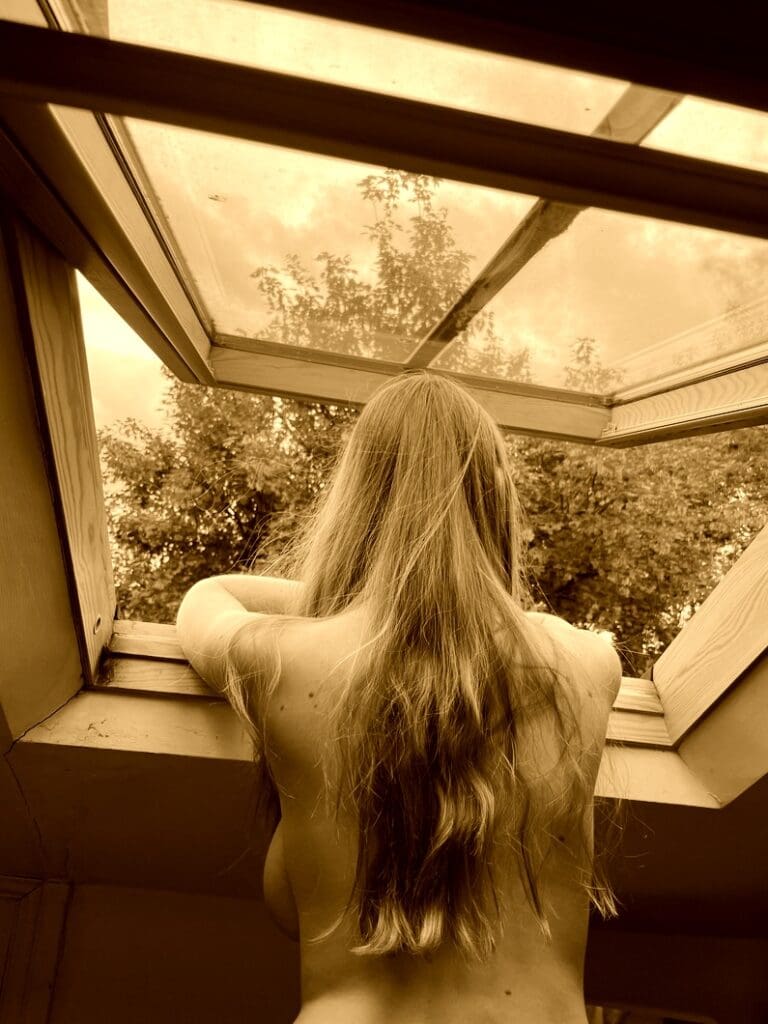

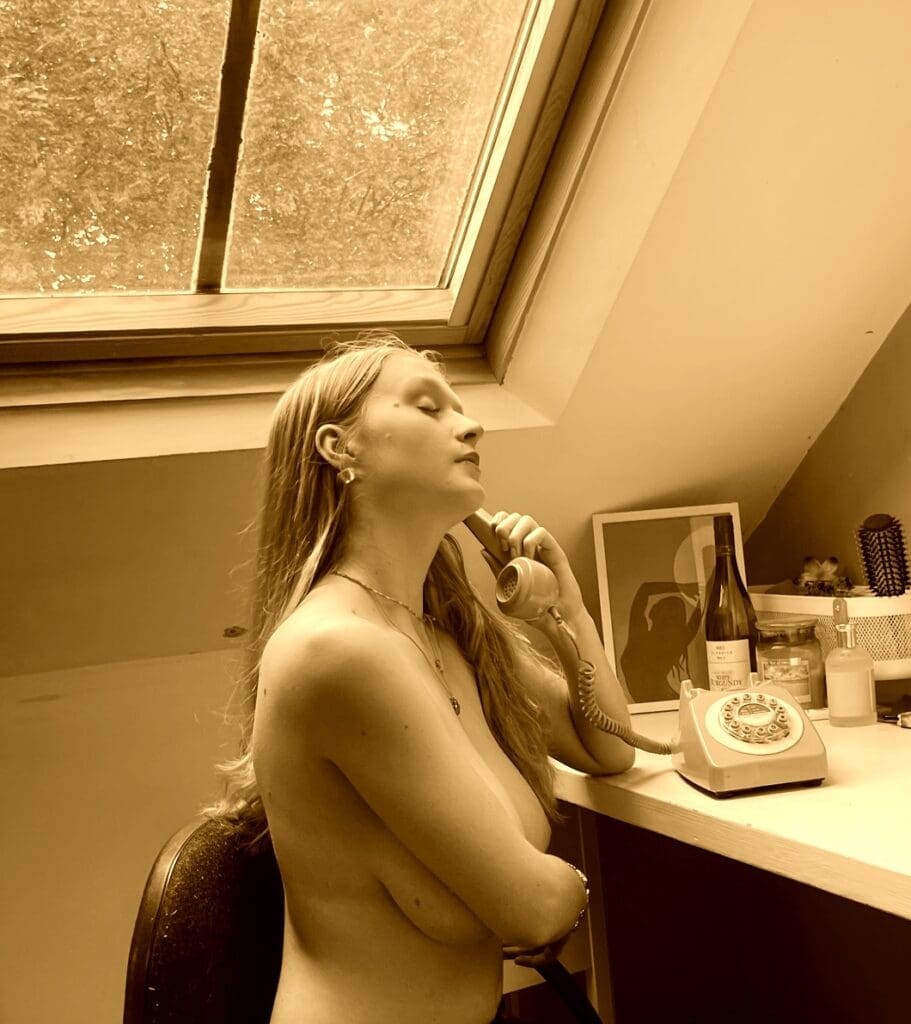
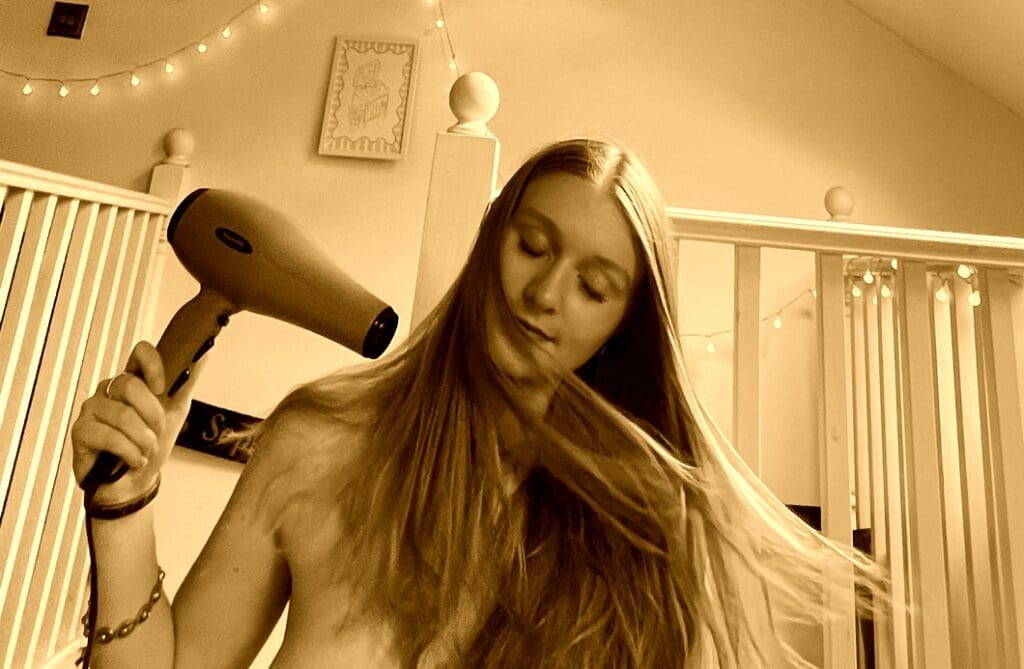
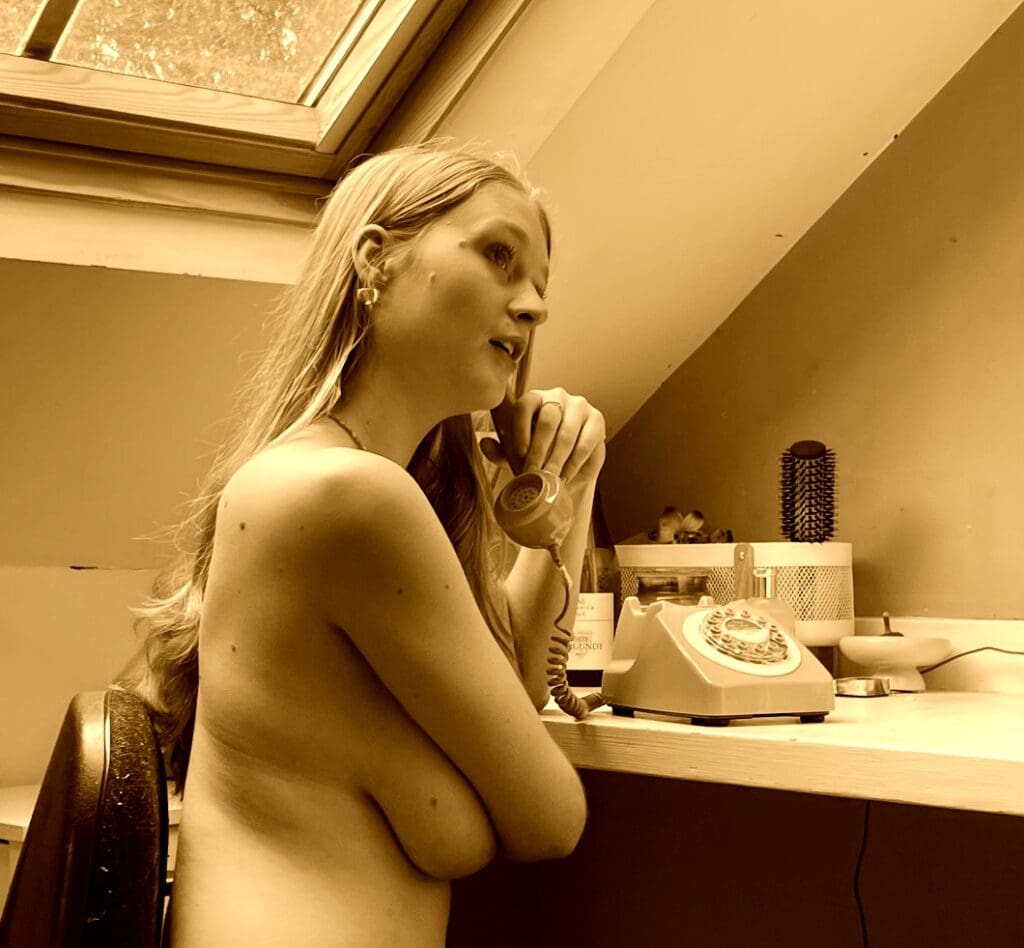
Ultimately, the real power of the 1999 calendar wasn’t that it was shocking—it was that a group of ordinary women, bound by grief and love for a lost friend, defied expectations with absolute dignity. They let go of their inhibitions, raised millions for charity, and proved that real life is often much more graceful than the movies make it out to be.