Our rating
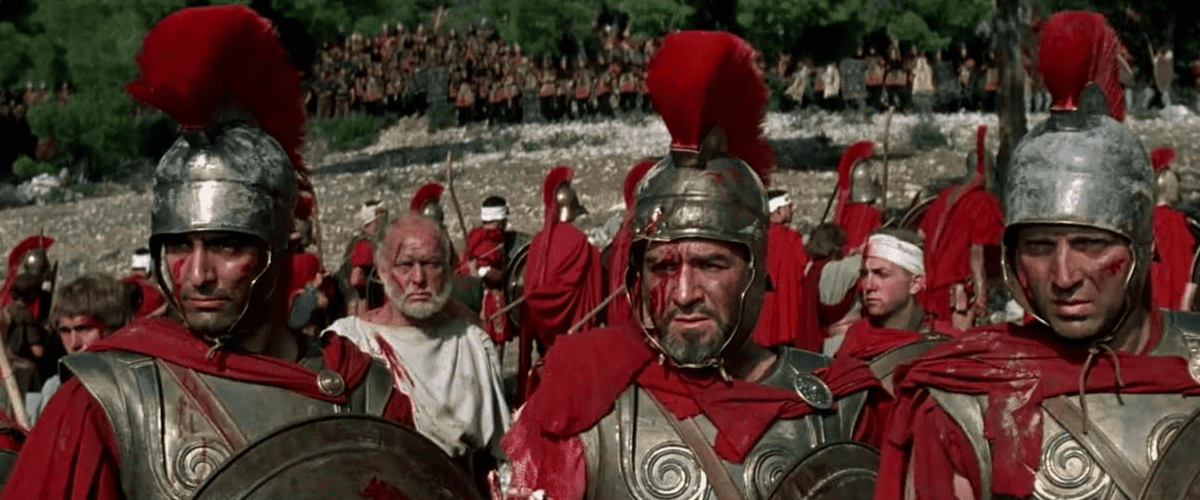
Long before King Leonidas was kicking messengers into bottomless pits in high-contrast CGI, director Rudolph Maté brought the Battle of Thermopylae to life with nothing but thousands of Greek soldiers, real landscapes, and a surprisingly faithful script. It provides the audience with a classic Hollywood epic that emphasises how far along the film industry has come as well as showcasing how the use of some physical effects and props can enhance a story.
Being produced before the era of green screens somewhat helped the film, as it was filmed on location in Greece, adding to its authenticity. The rolling mountains and genuine Mediterranean sun give the film a textured, grounded atmosphere that CGI just can’t replicate. Additionally, the historical accuracy of the film is worthy of praise, as it correctly highlights the conflict within Greece, as it was a fractious collect of independent city-states, therefore making it extremely difficult for Sparta and Athens to align.
The timeline and reasoning for why Leonidas could only take a small bodyguard of 300 men sticks to reality as it really was because of the fact that warfare was completely forbidden during the religious festival of Carnea. Furthermore, the film provides an accurate insight into Spartan battle strategy as it explains the real reason why they chose Thermopylae; it was a narrow pass the neutralised the Persian’s numerical advantage. So if you’re looking for something that will help you pass a history exam, this is a film for you!
However, the film lacks any form of dramatic tension, and the sparse use of a soundtrack makes for some pretty uncomfortable viewing. Due to the time of the film’s release, a lot of the fight scenes aren’t shot in the most artistic way, and the acting can come off a bit hammy. On the other hand, this provides some scenes with a comedic undertone, while not being the intention of the film; this can make for some more light-hearted viewing.
At the end of the day, you have to remember that this film is a product of the time period it was released and, therefore, had limited resources in terms of filmmaking. However, it is extremely faithful to reality and sticks to the truth.