The greatest privilege a movie can get is being chosen for an award, especially for an Oscar.
And for The Voice of Hind Rajab, it held the honour of being nominated for Best International Feature Film at this year’s Academy Awards. However, the movie’s selection had importance beyond the red carpet, helping to recognise a real incident.
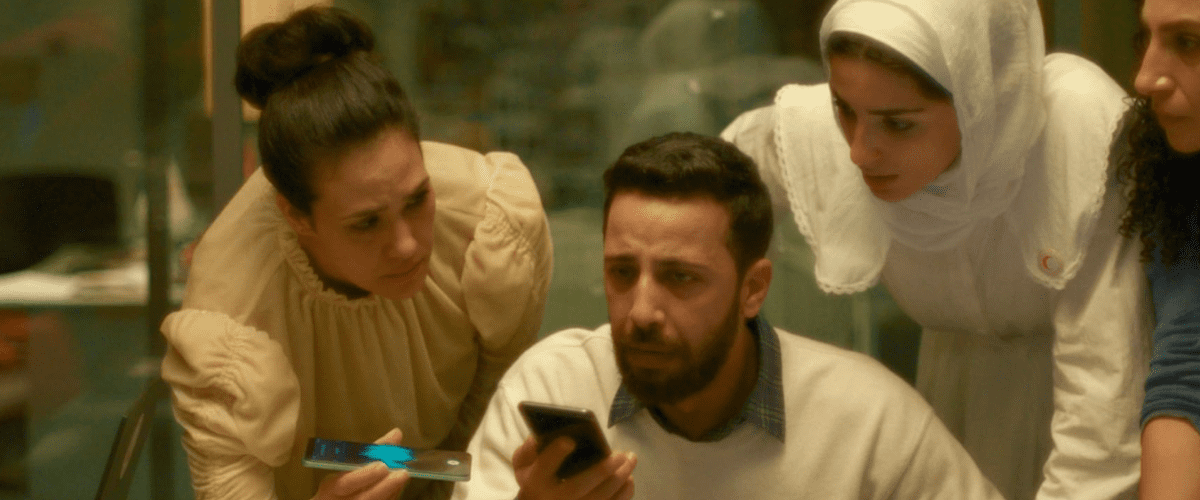
The Tunisian docudrama follows the Red Crescent Society (RCS), a voluntary humanitarian charity, on the phone with five-year-old Hind Rajab as they attempt to rescue her, trapped in a Kia Picanto, as she lies amongst her dead relatives and under fire from Israeli tanks.
The movie portrays the death of Hind Rajab on January 29, 2024, using the actual voice recordings of Hind from the incident to communicate to the audience the intensity of the situation.
In an investigation into her death by Forensic Architecture in June 2024, the Principal Audio Investigator and Audio artist, Lawrence Abu Hamdan, used the calls from Hind to help decipher the situation and what happened on the day.
“I spent several hours listening to Hind’s voice over and over again. Its purpose was to identify what exactly happened and when, but you also hear the cries for help from Hind and the pain in her voice constantly, and they are impossible to ignore,” he says.
The movie features only one setting, the call centre, and never shows any adaptation of Hind in the car.
“I think using the actual voice of Hind [for the movie] is such a powerful statement. Hearing her throughout the movie reminds the audience that this was an actual five-year-old girl going through this, not just another actor playing a role,” Abu Hamdan adds.
A significant moment in the movie happened during the night, when Hind repeatedly called the operations centre due to her fear of the dark.
In one of those calls, she would reluctantly wipe the blood off her mouth using her dress at the operator’s request because she did not want to upset her mother by staining it.
“Hearing her voice and what she would say reminds you that she is just a young girl going through all this. All she wanted was to be with her mother. Yet, there would be moments where she would say how thirsty or hungry she was, constantly calling for someone to come get her,” Abu Hamdan says.
As well as using the original calls from Hind, the movie’s main ensemble was made up of strictly Palestinian actors, with each playing an actual member of the RCS.
“Having Palestinians in any movie is a joy to see. I actively look for movies with Palestinian actors in them. But acting in this movie is more than a joy, it is a privilege and one I am glad to see go to Palestinians,” says Mustafa Sheta, General Manager of the Jenin Freedom Theatre group.
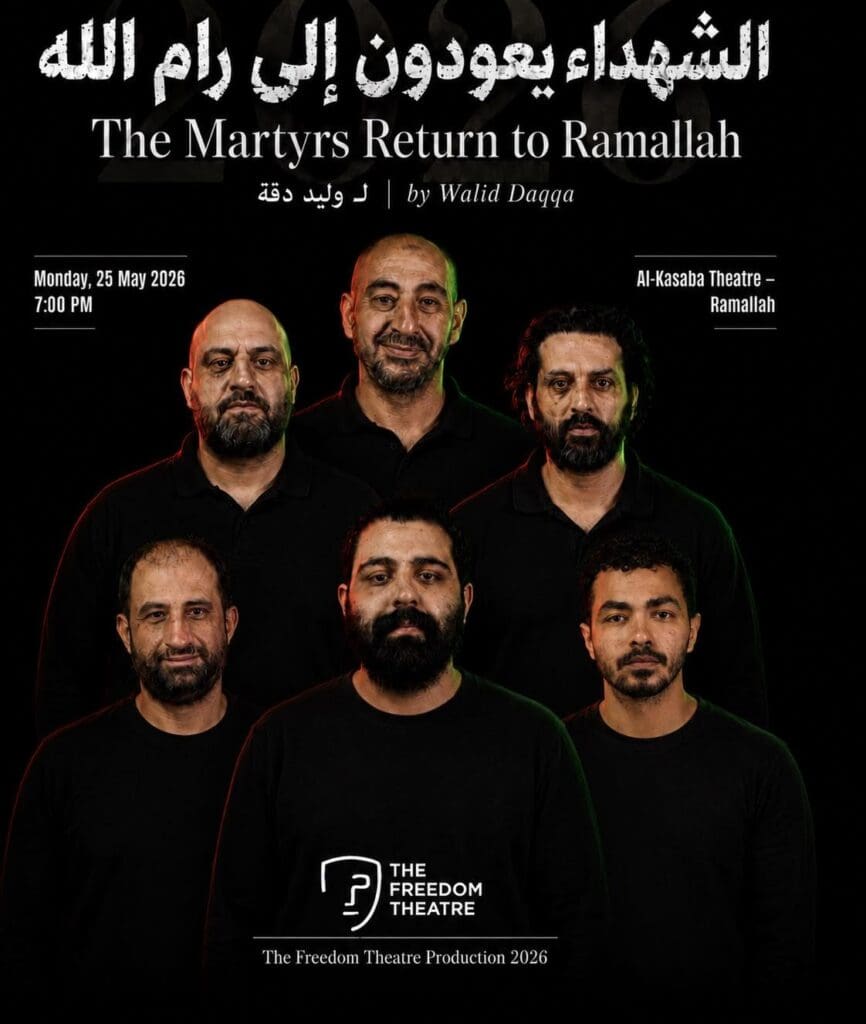
Sheta’s acting group is based in a refugee camp in Palestine, giving young people the chance to ‘escape the terror,’ and explore the world of theatre. Young people such as Motaz Malhess, who joined the group at 16 in 2008, following the death of his friend.
It was here that he would become friends with Sheta.
18 years later, Malhees went on to play RCS call operator Omar Alqam in director Kaouther Ben Hania’s docudrama.
“I am so proud that Motaz got to play a key figure in such an important film. For a while, he was not able to tell me because I was captured by the Israeli forces for two years, but when I found out, it was unbelievable,” Sheta says.
Being in Palestine, Sheta experiences first-hand the ongoing struggle of Palestinians. His theatre group was set up to communicate the issues going on in Palestine through plays to the rest of the world, having funded shows put on in London. The same issues are communicated within the movie.
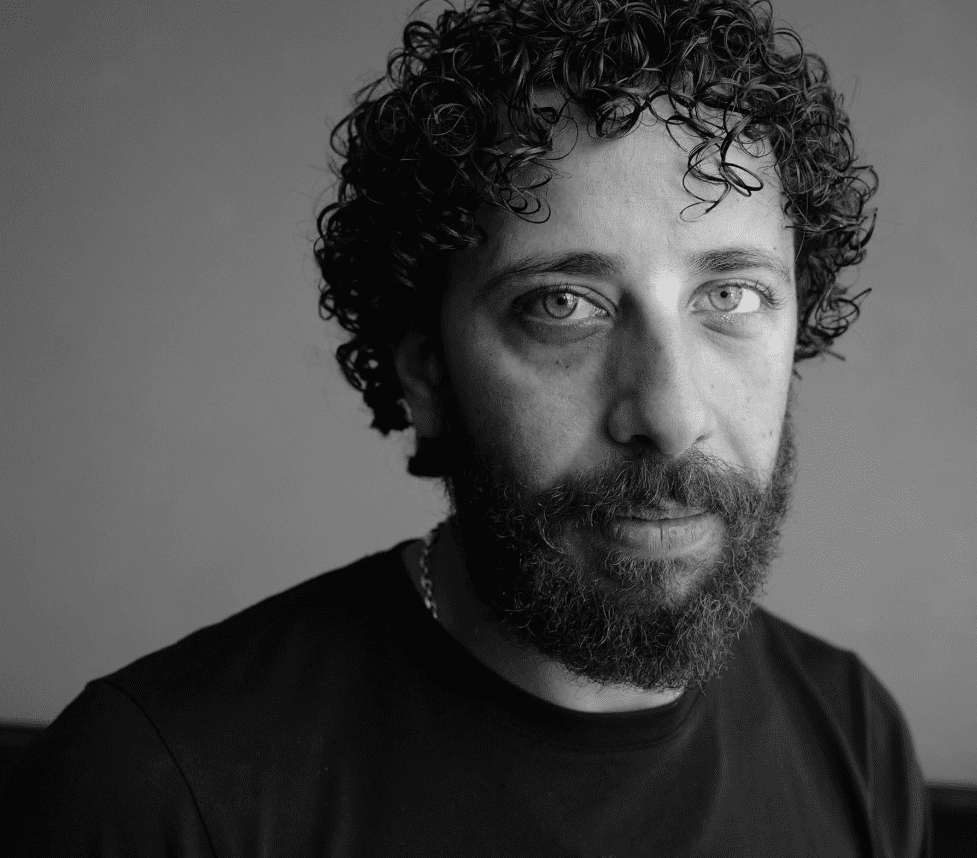
Speaking on the impact of the movie, Sheta says, “I welcome any work that helps to amplify Hind Rajab’s story on a global scale, because Hind’s case is not a single tragedy. It reflects the wider reality that Palestinian children face.”
As of September 2025, according to Save The Children, 20,000 children have been killed in the war.
“Living under constant threat, and too often being directly targeted amid ongoing violence and impunity, is something no child should ever go through. This movie brings that urgent need for accountability and remembrance that is needed.
“I hope those who understand that feeling of oppression, no matter who it comes from, feel the urge to do something when they see this film,” Sheta adds.
Despite the movie being nominated for an Oscar, Malhees and many of the cast were unable to travel to the event in Los Angeles due to travel restrictions set on Palestinian passport holders by the US.
“I was talking to Motaz, and we both agreed. We didn’t care how many Palestinians turned up to that event, because at the end of the day, the movie was not made to win awards, it was made to speak out. The best award any piece of art can have is having the right impact. You can block us all you want, but you cannot block our voices,” Sheta says.
While Malhees played the role of one of the officers in the RCS, not all members of the charity had actor counterparts.
As we reach the end of the movie, a call takes place between the RCS and paramedics Yusuf al-Zeino and Ahmed al-Madhoun, who were sent out in an ambulance to attempt to rescue Hind.
Another set of audio recordings that were taken from the incident and used in the film.
The film shows Alqam on the phone with the pair as they approach Hind. Just as al-Zeino tells him they can see the car, the call ends with the sound of heavy gunfire, heavily implying the death of the paramedics, which was also the reality of the incident as uncovered by Forensic Architecture.
“What cannot be forgotten is that Hind, despite how tragic her death was, is not the only one who died that day. It was her aunt, her uncle, her cousins and those two, [al-Zeino & al-Madhoun] I would call them heroes who lost their lives that day,” Abu Hamdan says.
The conversation between Alqam and the two paramedics is the last example of adaptation in the movie. Afterwards, it transitions to a documentary style, featuring the scene’s interrogation by Forensic Architecture.
It displays a 3D reconstruction of the scene, identifying each of the 335 bullet holes that were shot into the car Hind and her relatives were in, plus an audio breakdown of when the gunshots happened.
“Having an investigation I was part of featured in a movie like this brings me joy I cannot even explain. Having the imagery of the scene featured right at the end of the film, after 70 minutes of not seeing anything but a call centre, makes it even more real for the audience.
“This is such an important moment in the history of the world, and it needs to be shown in all the truth it is,” Abu Hamdan says.
The closing of the movie also features a compilation of interviews with Hind’s mom, Wessam Hamada, in which she talks about the brief conversations she had with her daughter while she was in the car.
“In order to get the message across, it is important that such movies are grounded in reality and including Hind’s mum at the end is such a perfect way to do it,” Sheta says.
“You see in the interviews how it’s not just sadness she has, there’s also the anger and annoyance that she is feeling as well. It speaks to how many of us feel now, and I’m glad that this movie was able to get that across because, of course, we feel sad, but it’s not the only thing that this war has done to us.
“Now, having a movie that adds drama to our situation, for a good reason, is helpful to get the audience to feel something, but when they see her [Hamada] after hearing everything her daughter had to go through, it’s like an “oh s***” moment and something that gets you out of your seat.”
And Sheta’s belief in the intended effect of the movie has slowly begun taking shape.
In the same week of the Academy Awards, U.S. Democratic lawmakers introduced the “Justice for Hind Rajab Act,” demanding that the state department explain how they investigated her death and if any Americans were involved.
Also, when the Award for Best International Feature Film was announced, Javier Bardem kicked off the remarks immediately, saying, “No to war & Free Palestine.”
So while it may not get the prestige of calling itself an Oscar-winning film, The Voice of Hind Rajab’s use of real recordings and authentic Palestinian actors helps to bring to reality the ‘struggle and torment’ that many people like Sheta have to go through in their day-to-day life, helping it to be recognised on the global stage and help drive an end to the conflict.