
Our rating
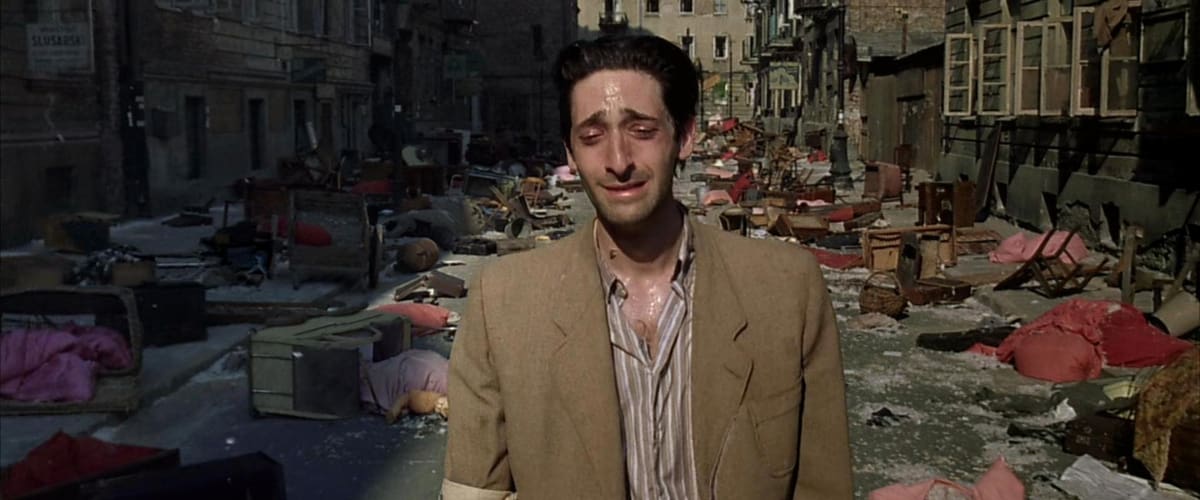
When it comes to films that depict the devastating nature of Jewish oppression during World War II, not many come close to Roman Polanski’s historical biopic, The Pianist. Polanski tells the story of a Polish Jew, Wladyslaw Szpilman, a classical musician who survived the holocaust through determination and sheer luck. Adrien Brody’s casting as Szpilman is perhaps his finest work yet. His preparation for the film included selling his own belongings and isolating himself for weeks on end from public life, to reflect the life of Szpilman in 1940s Warsaw.
The palpable tension is a defining feature throughout the film, from the opening scene where we see his radio station bombed, to his discovery by an SS officer who coldly pronounces him to “play a song”. Having said that, it’s as far from an action-packed thriller as you could possibly imagine; it’s slow and methodical, telling the story through the eyes of a man just trying to survive, while we watch the regime physically and emotionally deteriorate him.
The film is undoubtedly historically accurate, directed by the French-Polish filmmaker Polanski, who pertinently escaped the Krakow Ghetto as a child following the death of his mother at the hands of the Nazi regime. The plot is inspired by Szpilman’s autobiography, in which he details being pulled from the transportation line in Treblinka, the bombing of his home and the death of his family, all central to the plot. Polanski’s connections to the film’s plot itself are emotively evident, with his own survival as a child just as precarious as Szpilman’s. Shots of Jewish corpses scattered across the street will have been reflective of Polanski’s childhood and what the few Jewish survivors at the time would have had to endure.
Omissions from the biography include Szpilman’s success in saving dozens of others from the Nazi regime, before eventually surrendering himself to the Russian armed forces years later. It’s omission is arguably beneficial for the plot, as introducing sub-characters would veer away from the intentional focus on Brody’s character.