Our rating
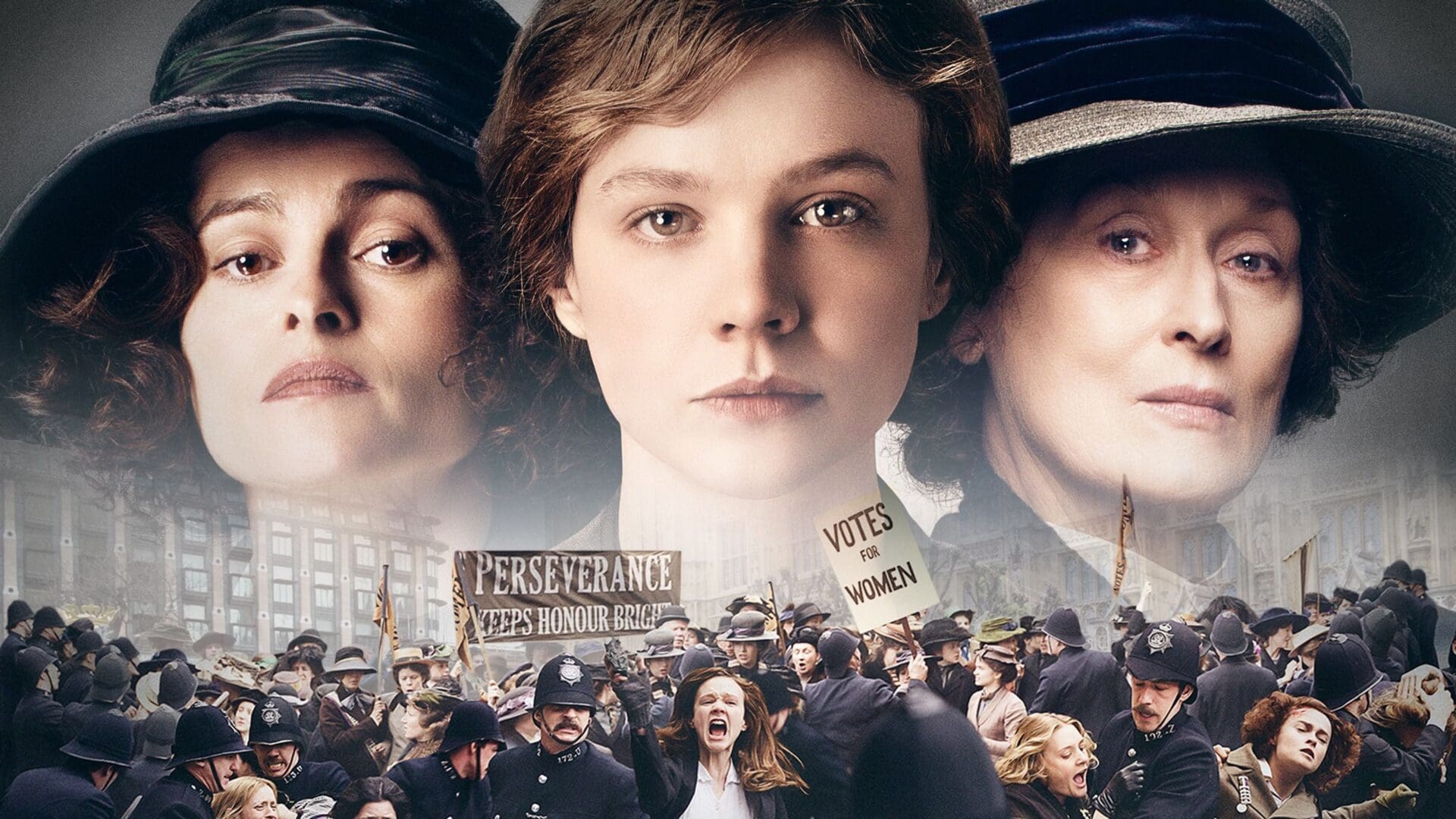
Most historical dramas about the fight for the vote love to swan around the parlour rooms of high society, but Sarah Gavron’s Suffragette deliberately drags you down into the industrial mud. By centering the narrative on Maud Watts, a composite of a working-class laundry worker, the film shifts the lens away from the wealthy figureheads and onto the heavy shoulders of the women who had the most to lose. Carey Mulligan plays Maud with a stunning desperation that slowly hardens into radical defiance. The cinematography feels beautifully oppressive, drenched in the suffocating steam of the laundries, which immediately communicates the high stakes of their rebellion. While the second half occasionally relies on predictable, heartbeat-skimming melodrama to keep the plot moving, the film’s emotional core remains grounded in the raw and exhausting reality of political awakening.
Historically, Suffragette captures the visceral terror of the movement with immense accuracy. The state-sanctioned cruelty of force-feeding striking prisoners and the explosive escalation of the WSPU’s bombing campaigns are not Hollywood exaggerations; they are straight from the archive. The tragic climax involving Emily Wilding Davison at the Epsom Derby is also meticulously reconstructed.
However, the film takes a liberty by largely erasing upper-class allies and entirely omitting the Men’s League for Women’s Suffrage, creating an artificial binary of “isolated poor women versus the entire world.” Is this historical distortion justified? Creatively, yes. By stripping away Maud’s potential safety nets and allies, the filmmakers force the audience to experience the terrifyingly claustrophobic isolation that a radicalised working-class woman would have genuinely felt. It bends the broader political record to deliver a sharper, more intimate emotional truth.